Chickpea Grain Bowl with Amber Root Base Blend
Golden rice, crunchy spiced chickpeas, wilted greens, and enough acid in every bite to keep you going back for more.
A composed bowl that is warm and grounding by design but never heavy. Golden rice bloomed with Amber Root Base Blend. Crispy roasted chickpeas with a concentrated spice crust. Baby spinach wilted into the hot rice so it folds into every bite. Cool cucumber for crunch. Quick-pickled red onions for sharp, vinegary bite. A lemon-yogurt sauce that ties everything together. Toasted pepitas scattered on top. Every component has a job: the rice and chickpeas build the warm, savory base, and everything else, the acid, the greens, the crunch, the coolness, prevents that base from becoming the one thing the Recipe Design Protocol warns against. Without the counterpoints, this is fat, starch, moderate spice, and low acid. With them, it is a bowl you make every week.
Ingredients, method, and practical notes
Equipment
Method
Make the quick pickled onions first. In a small bowl, combine the sliced red onion, apple cider vinegar, one tablespoon of sugar, and half a teaspoon of salt. Stir to dissolve the sugar and salt. Set aside. The onions will be ready by the time the rest of the bowl is assembled, about 30 to 40 minutes minimum.
👁 The onion slices are submerged in vinegar. They begin turning bright pink within 10 minutes.WhyStarting the pickled onions first gives them maximum time to soften and absorb the vinegar. The acid mellows the raw onion's sharpness while preserving its crunch. These onions are the primary acid moderator in the bowl.Preheat the oven to 425°F. Spread the dried chickpeas on a sheet pan. Toss with two tablespoons of olive oil, one tablespoon of Amber Root Base Blend, and half a teaspoon of salt. Spread in a single layer. Roast for 25 to 30 minutes, shaking the pan once at the halfway point, until the chickpeas are golden, crispy on the outside, and slightly shrunken.
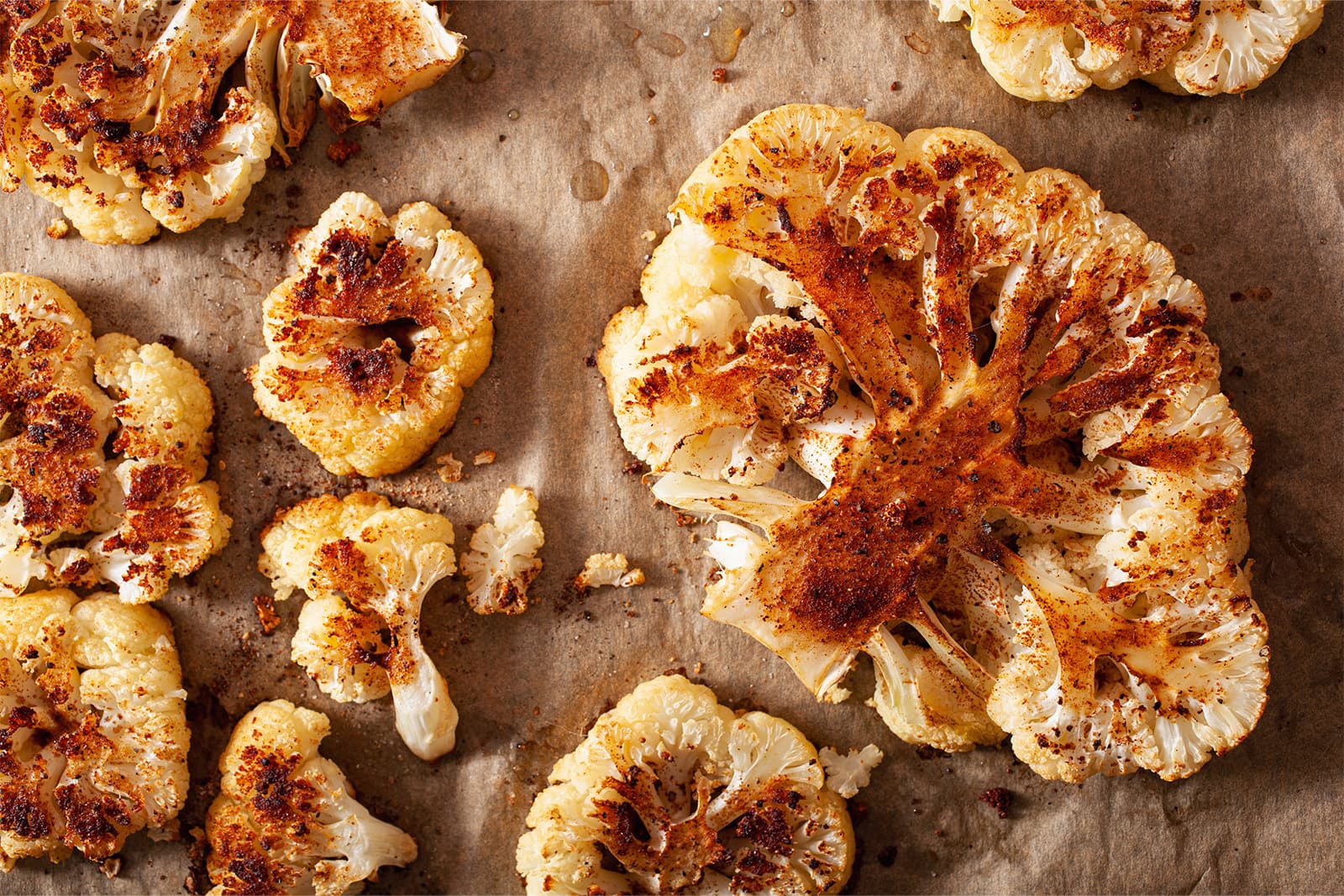
👁 The chickpeas are golden brown and visibly smaller than when they went in. They rattle when you shake the pan. The skins are wrinkled and crispy.Cook-In PhaseWhyThe chickpeas are tossed with the blend dry rather than bloomed. Under oven heat, the turmeric colors the surface golden and the coriander and cumin darken into a concentrated, savory crust. This is a different expression than the bloomed rice: more concentrated, more roasted, with a crunchy texture that adds structural contrast to the soft rice.What to noticeCompare the raw, dry-tossed chickpeas going into the oven with the finished chickpeas coming out. The oven did the blooming work: the turmeric opened, the coriander toasted, and the fenugreek mellowed, all through sustained dry heat rather than oil contact.If something's offThe chickpeas are soft and pale after 30 minutes with no crisping.Fix: The chickpeas were not dried thoroughly enough. Surface moisture steams them instead of crisping them. Next time, spread on a towel and pat aggressively. If they are pale now, increase to 450°F and roast for another 5 to 8 minutes.
While the chickpeas roast, toast the pepitas. Heat a small dry skillet over medium heat. Add the pepitas in a single layer. Cook, stirring occasionally, for 2 to 3 minutes until they puff, pop, and turn golden. Transfer immediately to a bowl so they do not burn in the residual heat.
👁 The seeds are puffed, golden, and a few have popped or split. They smell nutty and toasted.WhyToasting transforms pepitas from bland and chewy to nutty and crispy. In the bowl, they provide a different kind of crunch than the chickpeas: denser, nuttier, and oilier.If something's offThe seeds turn dark brown or smell acrid.Fix: They burned. Pepitas go from toasted to burnt in about 15 seconds. Transfer them to a bowl sooner and use medium heat rather than medium-high.
Start the rice. Heat two tablespoons of olive oil in a medium saucepan over medium heat. Add one tablespoon of Amber Root Base Blend and stir for 20 seconds until the oil turns golden and the aroma shifts from dusty to warm and toasted.
👁 The oil is golden. The aroma is warm and savory with a clear fenugreek note.Bloom PhaseWhyThis is the standard stovetop bloom. The fenugreek and asafoetida create an instant savory foundation. Turmeric colors the fat. Coriander opens. Everything that follows cooks in this spiced base.What to noticeThe aroma shift is the confirmation that the bloom completed. If the oil is golden and the smell is warm and savory rather than raw and dusty, the bloom worked.If something's offThe blend darkens to brown or black and the aroma is acrid.Fix: The oil was too hot. Discard and start over at medium heat.
Add the rinsed rice to the bloomed oil and stir for 30 seconds to coat the grains. Add two and a quarter cups of water and half a teaspoon of salt. Increase heat to medium-high and bring to a boil. Once boiling, reduce heat to low, cover tightly, and cook for 15 minutes without lifting the lid.
👁 After 15 minutes, remove the lid. The rice should be fluffy with distinct, separate grains. All the water has been absorbed. Each grain is golden from the turmeric.Cook-In PhaseWhyThe rice absorbs the spiced cooking liquid as it steams. Every grain has been seasoned from the inside by the bloom.What to noticeTaste a spoonful of the finished rice by itself. It should taste warm, faintly savory, and complete.If something's offThe rice is mushy and the grains are stuck together.Fix: Too much water or the lid was not tight enough. Use exactly the measured water. If your lid does not seal well, place a sheet of foil between the pot and lid.
Remove the rice from heat. Immediately scatter four cups of baby spinach over the hot rice. Replace the lid and let sit for 5 minutes. When you remove the lid, the spinach will be bright green and wilted. Fluff the rice and spinach together with a fork until evenly distributed.
👁 The spinach has wilted into the golden rice, creating streaks of bright green through warm gold. Each grain is separate and the spinach is tender but still vibrant, not dark or slimy.WhyThe residual heat wilts the spinach perfectly without overcooking it. The greens add color, a slight vegetal bitterness, and moisture that prevents the rice from feeling starchy and dry. The 5-minute rest also allows the rice grains to firm up so they separate when fluffed.What to noticeThe spinach shrinks dramatically. Four cups of raw spinach becomes a modest amount woven through the rice. This is normal. Even this reduced amount changes the bowl's character entirely: the green against the gold, the slight bitterness against the warm spice, the moisture against the dry grain.If something's offThe spinach is dark olive green and slimy rather than bright green and tender.Fix: The spinach sat in the heat too long or the lid was left on past 5 minutes. At the 5-minute mark, remove the lid and fluff immediately.
Make the lemon-yogurt sauce. In a small bowl, stir together three-quarters cup of yogurt, one tablespoon of lemon juice, one tablespoon of olive oil, and a quarter teaspoon of salt. The sauce should be smooth and pourable. If too thick, thin with a teaspoon of water.
👁 A smooth, creamy sauce that flows from a spoon in a steady stream rather than sitting in a clump.WhyThe yogurt sauce is the second acid moderator. Its tanginess cuts through the warm, spiced rice and adds cooling contrast.Assemble the bowls. Divide the spinach-flecked golden rice among four bowls. Top each with a generous mound of crispy chickpeas, a handful of drained pickled onions, a scatter of diced cucumber, a drizzle of lemon-yogurt sauce, toasted pepitas, and a generous scatter of fresh cilantro. Serve with lemon wedges.
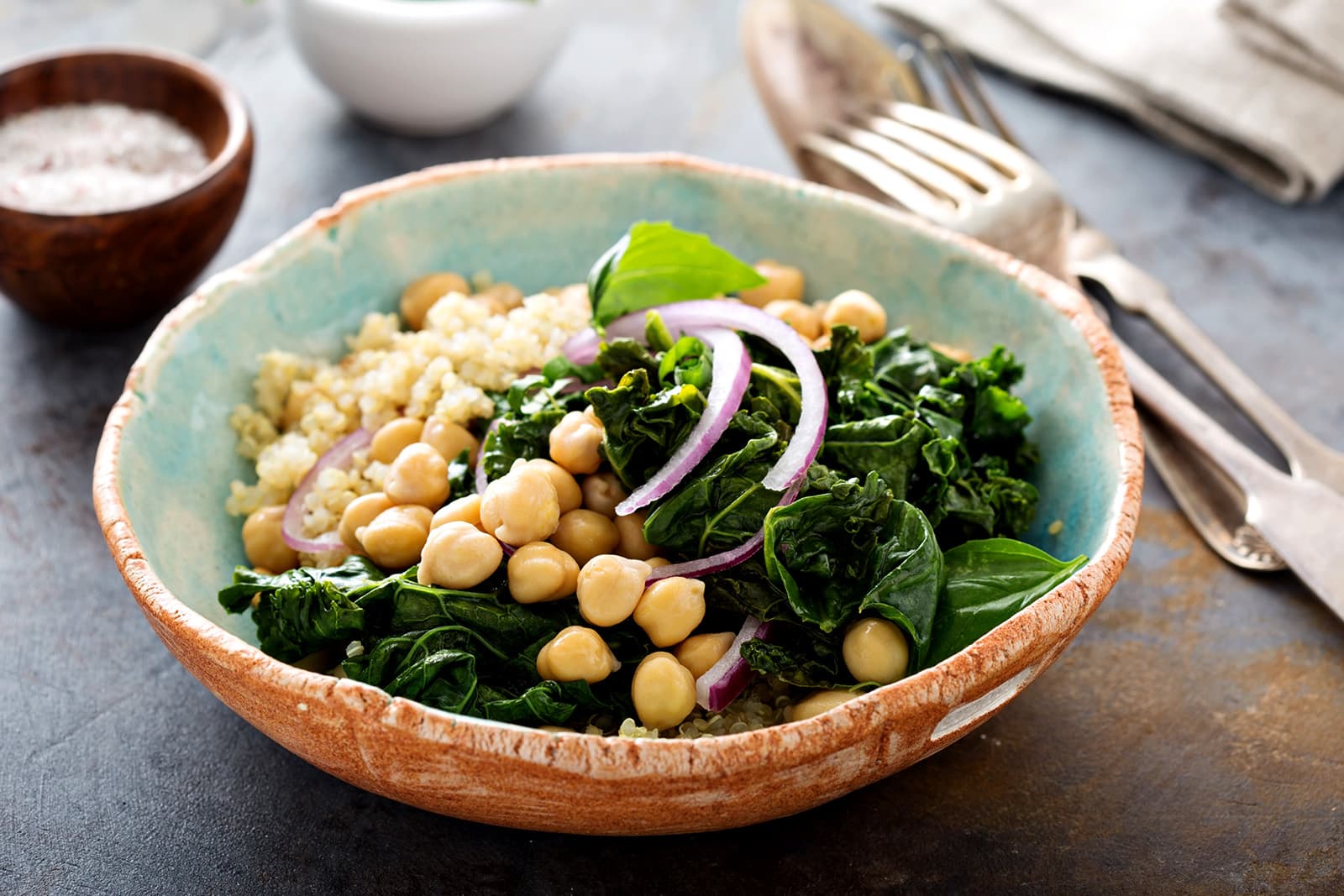
👁 The bowl is layered and alive. Golden rice streaked with bright green spinach on the bottom. Dark golden, crunchy chickpeas piled in the center. Bright pink pickled onions. Pale green cucumber dice. White yogurt sauce drizzled across everything. Golden toasted pepitas and bright green cilantro on top.Finish PhaseWhyEvery component has a structural role. The rice and spinach are the warm, grounded foundation (the assertive base). The chickpeas add concentrated spice and crunch. The pickled onions provide sharp, vinegary acid (primary moderator). The yogurt provides cooling tanginess (secondary moderator). The cucumber adds cool crunch and moisture. The pepitas add nutty, dense crunch at a different scale. The herbs provide raw, aromatic freshness. The lemon wedge gives the eater control over the final acid level. Remove the acid components and the bowl becomes the prohibited formula: fat, starch, moderate spice, low acid.What to noticeTake a bite with just rice, spinach, and chickpeas. Warm, savory, grounded, satisfying. Now take a bite that includes a pickled onion, a piece of cucumber, and a touch of yogurt. The warmth is still there but the acid cuts through it, the cucumber cools the palate, and the yogurt rounds the transition.
What This Recipe Teaches
How a warm, grounding spice base needs acid counterpoints and fresh, raw elements distributed throughout the dish to remain appetizing rather than heavy, and how removing those counterpoints reveals the prohibited formula that the Recipe Design Protocol warns against.
How the Blend Behaves Here
Amber Root Base Blend appears twice in this recipe in two different methods. In the rice, it is bloomed in oil for 20 seconds before the liquid is added. The grounding and umami systems activate and integrate into every grain during cooking. In the chickpeas, the blend is tossed dry and roasted at high heat. The turmeric and coriander darken on the surface, creating a concentrated, golden crust that is more intense and forward than the mellow rice. Together, they form the assertive base of the bowl: a warm, deeply grounded foundation that would become heavy without moderation. The pickled onions, yogurt, lemon, cucumber, spinach, and herbs each provide a different kind of counterpoint.
What to Notice
Aromatic entry: Warm turmeric and coriander from the golden rice. Sharp, vinegary brightness from the pickled onions. Fresh cilantro on top. The combination is layered and inviting before the first bite.
Mid-palate: Warm, grounded savoriness from the rice with crunchy, concentrated spice from the chickpeas. The yogurt cools. The pickled onion bites through the warmth. The cucumber snaps. The spinach adds a quiet, vegetal note woven through the grain. Textures alternate between soft rice, crispy chickpeas, cool cucumber, and crunchy pepitas.
Lingering finish: Clean and warm. The lemon keeps the finish light. The turmeric's warmth fades gradually and the palate resets for the next bite rather than accumulating heaviness. The herbs provide a brief, bright note at the very end.
The Fog Test
What happens when the acid and fresh elements are removed and the bowl approaches the prohibited formula: fat, starch, moderate spice, low acid.
How: Serve two bowls side by side. One is the full recipe with all components. The other has only the golden rice (with spinach) and roasted chickpeas, no pickled onions, no yogurt, no cucumber, no herbs, no lemon. Eat three to four bites of each.
Compare: The first two bites of the stripped-down bowl will taste warm and satisfying. The spinach helps, but by the fourth bite, the warmth starts to feel heavy and the palate does not fully reset. The full bowl stays engaging through every bite because the acid, freshness, and crunch are constantly cutting through the grounding base.
Symptom: The bowl tastes warm and pleasant for the first few bites but becomes heavy and boring quickly
Cause: The acid and fresh components were undersized or omitted. Without enough pickled onions, yogurt, cucumber, and lemon, the warm rice and chickpeas accumulate into the prohibited formula.
Fix: Be generous with the pickled onions, yogurt, and cucumber. They should be visible in every bite, not a light drizzle on top. Serve lemon wedges and encourage a squeeze over each serving.
Symptom: The rice tastes bland and the chickpeas carry all the flavor
Cause: The bloom for the rice was skipped or undercooked. Without the bloom, the rice cooks in plain water and absorbs no spice character.
Fix: Bloom the blend in oil for a full 20 seconds before adding the rice. Confirm the oil turned golden and the aroma shifted.
Symptom: The chickpeas are soft and pale rather than golden and crunchy
Cause: The chickpeas were not dried thoroughly before roasting. Surface moisture steams them in the oven instead of crisping them.
Fix: Drain, rinse, and spread the chickpeas on a clean towel. Pat firmly or roll the towel over them to remove as much moisture as possible. Roast at 425°F or higher and do not crowd the pan.
Symptom: The spinach is dark, slimy, and tastes overcooked
Cause: The spinach was cooked with the rice rather than wilted by residual heat, or the lid was left on too long after adding the spinach.
Fix: Add the spinach after the rice is off heat. Replace the lid for exactly 5 minutes, then fluff immediately. The spinach should be bright green and barely wilted.
Symptom: The pickled onions taste too sharp and vinegary
Cause: The onions did not pickle long enough, or the sugar and salt were undersized.
Fix: Give the onions at least 30 minutes. An hour is better. If they are still too sharp, drain some liquid and add a pinch more sugar.
Notes
Meal Prep
The rice (with spinach), chickpeas, pickled onions, and yogurt sauce can all be made up to 3 days ahead. Store separately. The chickpeas lose their crunch in storage, so re-crisp them in a 400°F oven for 5 minutes before assembling. The pickled onions actually improve over 2 to 3 days. The rice reheats well with a splash of water.
Greens Alternatives
Lacinato kale works in place of spinach but needs to be torn into small pieces and given an extra minute under the lid. Arugula is excellent if you want more peppery bite. Watercress is a good finishing option scattered on raw rather than wilted.
Two Applications, Two Methods
This recipe deliberately uses the blend two ways: bloomed in oil for the rice and tossed dry for the chickpeas. The bloomed rice is mellow and integrated. The dry-tossed chickpeas are concentrated and forward. This demonstrates how the same blend produces different results depending on whether it enters through fat or contacts dry heat directly.
Adding Protein
Grilled chicken thighs seasoned with Amber Root Base Blend or a simple fried egg on top both work well. For a different direction, try pan-seared halloumi for salty, rich contrast. Keep the acid components generous regardless of what protein you add.
Finishing Upgrade
A pinch of [Scarlet Citrus Fire Finishing Salt](https://www.emberloftspices.com/blends/scarlet-citrus) over the assembled bowl adds another acid layer and clean chile heat that amplifies the existing checks and balances structure.
More recipes like this
New recipes and seasonal cooking ideas, once a week. Never more.
See everything that's in the newsletter