Amber Root Butter Curry with Crispy Glazed Mushroom
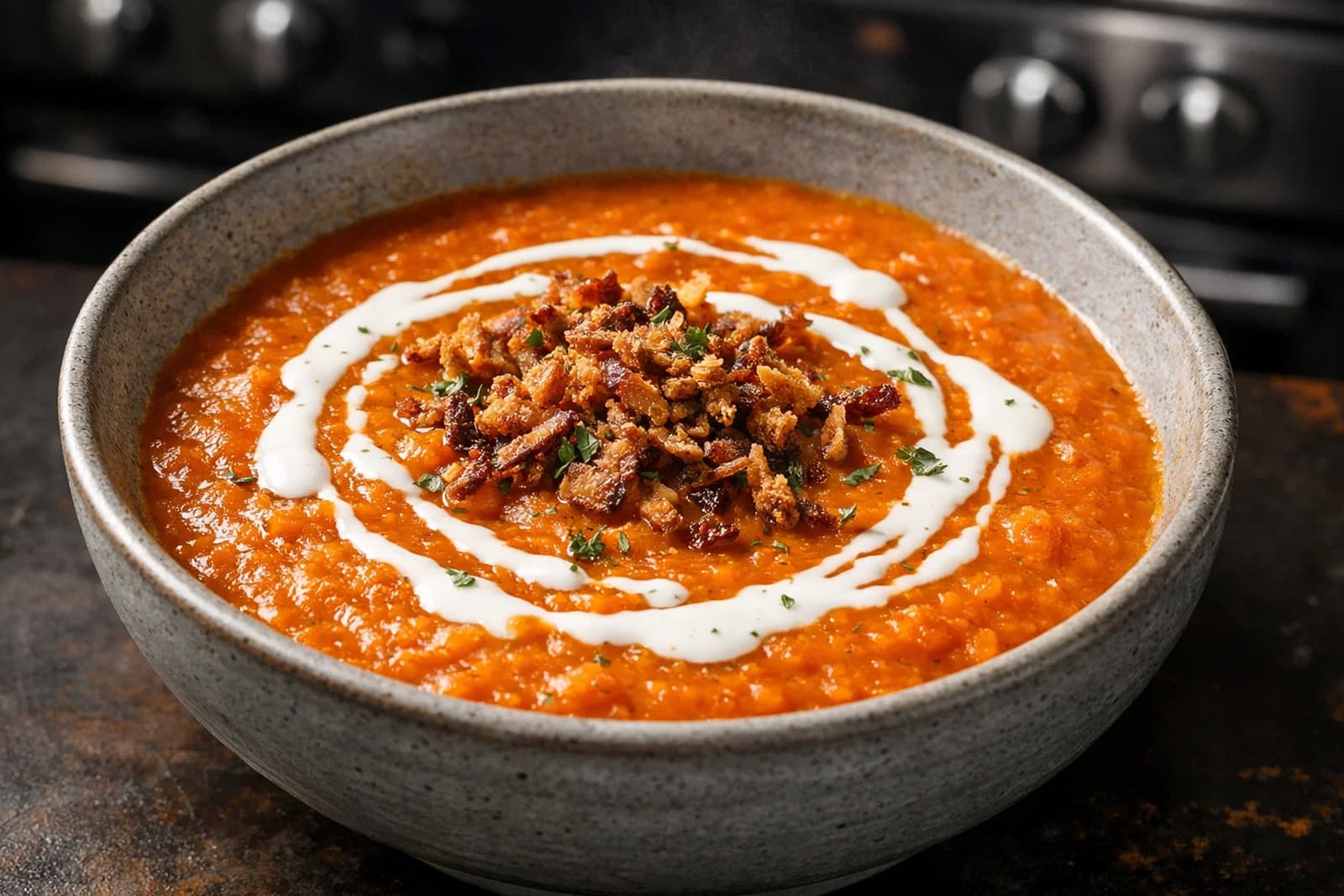
A bloomed spice curry, blended smooth, topped with a mushroom so crispy and sticky you forget it is not meat.
Amber Root Base Blend blooms in butter to build the entire foundation of this curry in the first thirty seconds. Cherry tomatoes, coconut milk, and stock simmer into a smooth, golden sauce while oyster mushrooms get coated in cornstarch, fried until shattering-crisp, and tossed in a sticky soy and honey glaze. The curry finishes with lime juice that cuts through the richness without thinning it. Served over coconut rice with raw spring onion and cilantro on top.
Ingredients, method, and practical notes
Equipment
Method
Start the coconut rice. Combine the rinsed jasmine rice, coconut milk, water, and salt in a medium saucepan. Bring to a boil over medium-high heat, then immediately reduce heat to the lowest setting, cover tightly, and cook for 15 minutes. Do not lift the lid. After 15 minutes, remove from heat and let the rice steam, still covered, for at least 10 minutes.
👁 When you eventually open the lid, the surface should show small steam holes and the grains should be distinct but tender, with a slight sheen from the coconut fat.WhyGetting the rice on first means it finishes passively while you build the curry and fry the mushrooms. Coconut milk replaces part of the cooking water, but because the fat solids in coconut milk do not hydrate the rice the way water does, the water portion is slightly larger to compensate.If something's offRice is chalky and undercooked in the center, or mushy and wet.Fix: Chalky rice means not enough available moisture. Coconut milk fat displaces water, so if you substitute a different brand or use light coconut milk, you may need to adjust the water up slightly. Mushy rice means too much liquid or the lid was lifted during cooking.
Melt two tablespoons of butter in a large saucepan or Dutch oven over medium heat. When the butter foams and the foam begins to settle, add the Amber Root Base Blend. Stir constantly for 20 to 30 seconds.
👁 The butter turns golden-orange within seconds. The kitchen fills with a warm, toasted aroma that smells like a dish is already halfway done. The blend darkens slightly but does not turn brown or smell acrid.Bloom PhaseWhyThis is the step the entire dish depends on. Amber Root is designed to open in hot fat. The turmeric and coriander release into the butter and turn it into spiced cooking fat. Everything you add after this point carries that flavor through the dish. If you skip this step and add the blend later, the curry will taste colored but not seasoned.What to noticeWatch the butter change color. Within 10 seconds it shifts from pale yellow to deep gold. Smell the shift from raw and dusty to warm and toasted. That transition is the bloom completing.If something's offThe blend smells sharp or acrid, or the butter turns dark brown.Fix: Heat was too high. The blend scorched instead of blooming. Lower heat to medium-low. You need the butter hot enough to foam, but not so hot that it browns before the blend opens.
Add the chopped red onion to the bloomed spice butter. Stir to coat. Cook over medium heat for 4 to 5 minutes, stirring occasionally, until the onion softens and turns translucent.
👁 The onion pieces are soft and glassy, coated in golden spice butter. No browning needed here.Bloom PhaseWhyThe onion cooks in spiced butter, absorbing the bloom compounds immediately. It becomes part of the flavor base rather than a separate ingredient.What to noticeThe aroma shifts again when the onion hits the spiced butter. It becomes sweeter and more rounded. This is the onion's moisture helping the bloom compounds spread.Add the garlic and grated ginger. Cook for 1 minute, stirring constantly, until fragrant.
👁 The garlic turns translucent and the ginger releases a sharp, bright scent that lifts the warm spice aroma already in the pan.Bloom PhaseWhyFresh garlic and ginger add a pungent brightness that the dried versions in Amber Root cannot provide. They need only a minute because they burn quickly and the goal is fragrance, not color.If something's offGarlic turns brown or smells bitter.Fix: The pan was too hot. Lower heat immediately and add the tomato paste quickly. The tomato paste will cool the pan and stop the garlic from burning further.
Add the tomato paste. Stir it into the onion mixture and cook for 1 to 2 minutes until it darkens from bright red to a deeper brick red and smells slightly sweet.
👁 The paste goes from bright red to a darker, rusty color. The raw, tinny smell disappears and is replaced by something rounder and slightly sweet.Cook-In PhaseWhyTomato paste needs direct contact with the hot pan to caramelize. This concentrates its umami and removes the raw taste. Skipping this step leaves a metallic, sharp note in the finished curry.Add the halved cherry tomatoes and vegetable stock. Stir well, scraping any fond from the bottom of the pan. Bring to a boil over medium-high heat, then reduce to medium-low and simmer for 12 to 15 minutes until the tomatoes have collapsed completely and the liquid has reduced by about one third.
👁 The tomatoes are completely soft and broken down. The liquid looks concentrated and slightly thickened, with a rich orange-red color.Cook-In PhaseWhyThe simmer concentrates flavor and breaks the tomatoes down so the sauce blends smooth. Reducing the liquid means the coconut milk you add next does not thin the curry too much.If something's offThe sauce still looks thin and watery after 15 minutes.Fix: Increase heat slightly to medium and cook for another 5 minutes. The tomatoes may have released more water than expected. The sauce needs to reduce enough that it coats the back of a spoon before you blend it.
Carefully transfer the sauce to a blender or use an immersion blender directly in the pot. Blend until completely smooth.
👁 A smooth, velvety sauce with no visible chunks. The color should be a deep, warm orange.WhyBlending creates the smooth, rich texture that defines a butter-style curry. The onion, garlic, ginger, and tomatoes disappear into the sauce, leaving only their flavor.Return the blended sauce to the saucepan over low heat. Pour in the coconut milk and the remaining one tablespoon of butter. Stir until fully combined and bring to a gentle simmer. Cook for 3 to 4 minutes. Taste and adjust salt. Squeeze in the lime juice, stir once, and remove from heat. Keep warm.
👁 The sauce is glossy, creamy, and a rich golden-orange. When you drag a spoon through it, it flows back slowly rather than immediately.Cook-In PhaseWhyCoconut milk and butter enrich the sauce while the lime juice at the very end provides the brightness that prevents the richness from sitting heavy. Adding the lime juice after removing from heat preserves its sharpness. If you cook the lime juice in, it loses the clean lift.What to noticeTaste the curry before and after the lime juice. Before, it tastes warm, smooth, and rich but potentially flat. After, the same warmth is there but the finish feels lighter and more alive. That is acid doing its job.If something's offThe curry tastes flat and heavy even after the lime juice.Fix: You may need a second squeeze of lime. Add a teaspoon at a time and taste. The goal is not sourness. It is lift.
While the curry simmers, prepare the mushrooms. Tear the oyster mushrooms into large, palm-sized clusters along their natural seams. Do not cut them. Pat each cluster very dry with paper towels, pressing firmly to pull moisture out of the gills. The surface must feel completely dry before coating.
👁 Large, ragged-edged clusters with lots of irregular surface area. The surface feels dry and slightly papery to the touch, not damp or slick.WhyTearing along the natural seams creates irregular edges where the cornstarch grips best and the crunch concentrates. Cutting produces clean edges that do not crisp as well. Drying is more critical with oyster mushrooms than with denser varieties because their gills hold significant moisture that will steam instead of fry if not removed.If something's offThe mushrooms still feel damp after patting.Fix: Use fresh paper towels and press again. If the mushrooms were stored wet, lay them on paper towels for 5 minutes before coating. Residual moisture is the most common reason for soggy results.
Mix the cornstarch and MSG (if using) in a wide shallow bowl. Press each mushroom cluster firmly into the cornstarch mixture, turning and pressing to coat all sides and get the starch into the ruffled edges. Shake off excess. Every surface should be lightly but evenly dusted.
👁 A thin, even white coating on all sides, including the irregular edges. No clumps. No wet patches showing through.WhyAn even coat of cornstarch creates the thin, crispy shell that holds up under the wet glaze. Pressing firmly into the ruffled edges is where this technique pays off. Those irregular surfaces catch the most starch and produce the crunchiest result.If something's offThe cornstarch looks patchy or is clumping in wet spots.Fix: The mushrooms were not dry enough. Pat them again and re-coat. Cornstarch will not adhere to a wet surface.
Heat the neutral oil in a 12-inch skillet over medium-high heat until the oil shimmers and a pinch of cornstarch sizzles immediately when dropped in. Working in two batches, place the mushroom clusters in the oil in a single layer without crowding. Fry for 2 to 3 minutes per side until deep golden brown and crispy. Transfer to a wire rack or paper towel-lined plate. Between batches, use a fine mesh strainer or spider to scoop out any loose cornstarch sediment from the oil before adding the next batch. Let the oil come back to temperature before continuing.
👁 Deep golden brown with crispy, crunchy edges along the torn surfaces. The clusters sound hollow and crunchy when tapped with tongs.WhyOyster mushroom clusters are irregular and take up more pan space than flat pieces, so two batches prevents crowding and steaming. Skimming the cornstarch sediment between batches is essential. Loose starch sinks, scorches on the pan bottom, and transfers a burned taste to the next batch. Ten seconds with a strainer prevents that.What to noticeListen for a steady, energetic sizzle the entire time. If it goes quiet, the oil temperature dropped. If it pops and spatters aggressively, there was still moisture on the mushrooms.If something's offLater batches taste bitter or have dark specks clinging to the crust.Fix: Cornstarch sediment was not skimmed between batches. The debris burned and transferred to the mushrooms. Always clean the oil between rounds. If the oil looks dark and murky after the first batch, strain it through a fine mesh strainer back into the pan before continuing.
Remove the skillet from heat and carefully pour off most of the frying oil, leaving about one tablespoon in the pan. Return the mushrooms to the skillet off heat. Add the dark soy sauce, honey, and chilli crisp. Toss the mushrooms in the glaze for 30 seconds, turning them to coat all sides, until the glaze is sticky and clings to the crust.
👁 The mushrooms are coated in a dark, glossy, sticky glaze. The crust underneath is still intact and crispy, not soggy.Finish PhaseWhyGlazing off heat prevents the honey from burning and the soy from turning bitter. The residual heat of the pan and the mushrooms is enough to thicken the glaze into a sticky coating. Working quickly is key because the longer the mushrooms sit in liquid, the more the crust softens.What to noticeThe glaze should look lacquered, not pooled. If it drips off rather than clinging, the mushrooms were not hot enough or there was too much liquid in the pan.If something's offThe crust has turned soggy and the glaze is pooling at the bottom of the pan.Fix: The mushrooms sat too long in the glaze, or there was too much oil left in the pan. Work faster. Thirty seconds is all you need.
Fluff the coconut rice with a fork. Divide the rice among four shallow bowls. Ladle the warm curry around the rice. Pile the glazed mushroom clusters across the top of each bowl. Finish with sliced spring onion and torn cilantro.
👁 Golden curry pooled around white coconut rice, topped with dark, glossy mushroom strips and bright green spring onion and cilantro.Finish PhaseWhyPlating the curry around the rice rather than over it keeps the rice texture intact. The mushroom goes on last so the crispy crust stays exposed to air rather than steaming in the sauce. Spring onion and cilantro provide the aromatic lift and raw crunch that the dish needs at the very end.What to noticeTake one bite with all the components together: the coconut rice, the smooth warm curry, the crispy sticky mushroom, the raw spring onion. That combination of textures and temperatures is the point of the whole dish.
What This Recipe Teaches
How a 20-second bloom in butter creates a seasoned foundation that carries through an entire blended curry, producing a dish that tastes built from the inside rather than seasoned on top.
How the Blend Behaves Here
Amber Root opens the moment it contacts the hot butter. Turmeric and coriander release first, turning the fat golden and warm. Fenugreek and asafoetida follow within seconds, creating a savory aroma that makes the kitchen smell like a dish is already underway. As the onion, tomato, and coconut milk cook in this spiced fat, the bloom compounds spread through the entire sauce. The finished curry does not taste like spices were added to it. It tastes like the spices were always part of it.
What to Notice
Aromatic entry: Warm, golden spice from the bloomed butter curry. Coconut richness underneath. You smell the turmeric and coriander before the spoon reaches your mouth.
Mid-palate: Smooth, rich curry with steady warmth from the ginger and black pepper. The tomato sweetness and coconut fat create a full, rounded middle that does not spike or demand attention. The mushroom, when bitten, adds a burst of salty-sweet stickiness and crispy texture that contrasts the smooth sauce.
Lingering finish: The lime juice cleans the richness. The spring onion provides a sharp, fresh bite. The cilantro lifts the aroma one more time. The curry warmth fades slowly and evenly, leaving your mouth feeling seasoned, not coated.
The Bloom vs. No-Bloom Test
How the first 20 seconds in hot butter transforms Amber Root from surface seasoning into structural flavor.
How: Make a half batch of the curry two ways. For the first, follow the recipe exactly and bloom the blend in butter before adding anything else. For the second, skip the bloom entirely and stir the same amount of Amber Root directly into the stock along with the tomatoes. Finish both the same way with coconut milk and lime.
Compare: Taste them side by side. The bloomed version should taste seasoned through, with the warmth woven into the sauce. The unbloomed version will look the same color but taste flat and one-dimensional, with the spice sitting on the surface of the liquid rather than integrated into the fat.
Symptom: The curry tastes flat and one-dimensional despite using the full amount of Amber Root
Cause: The bloom was skipped or too short. The spice compounds did not open and bind to the butter fat, so they are sitting on the surface of the liquid rather than distributed through the sauce.
Fix: Next time, ensure the butter is hot and foaming before adding the blend. Stir for a full 20 seconds. Watch for the color shift from yellow to golden-orange. If the aroma does not change from dusty to warm, the bloom is not complete.
Symptom: The curry tastes heavy and rich but does not feel bright or alive
Cause: The lime juice was omitted, cooked in too early, or not enough was used. Coconut milk and butter without acid produce richness that has no counterweight.
Fix: Add the lime juice after removing the curry from heat. Start with the juice of one lime. Stir, taste, and add more if the curry still feels heavy. You are not looking for sour. You are looking for lift.
Symptom: The mushroom crust is soggy after glazing
Cause: The mushrooms sat in the glaze too long, or there was too much residual frying oil in the pan. The liquid softened the cornstarch crust.
Fix: Pour off nearly all the frying oil before adding the glaze ingredients. Work fast, no more than 30 seconds. The mushrooms should be tossed and coated, not simmered. Serve immediately.
Symptom: The spices taste harsh and gritty rather than warm and smooth
Cause: The butter was too hot during the bloom and the spices scorched, or the blend was added to dry heat without enough fat.
Fix: Reduce heat to medium. The butter should be foaming gently, not browning. Two tablespoons is the minimum. If the blend touches dry metal rather than melted fat, it will burn.
Notes
Mushroom Alternatives
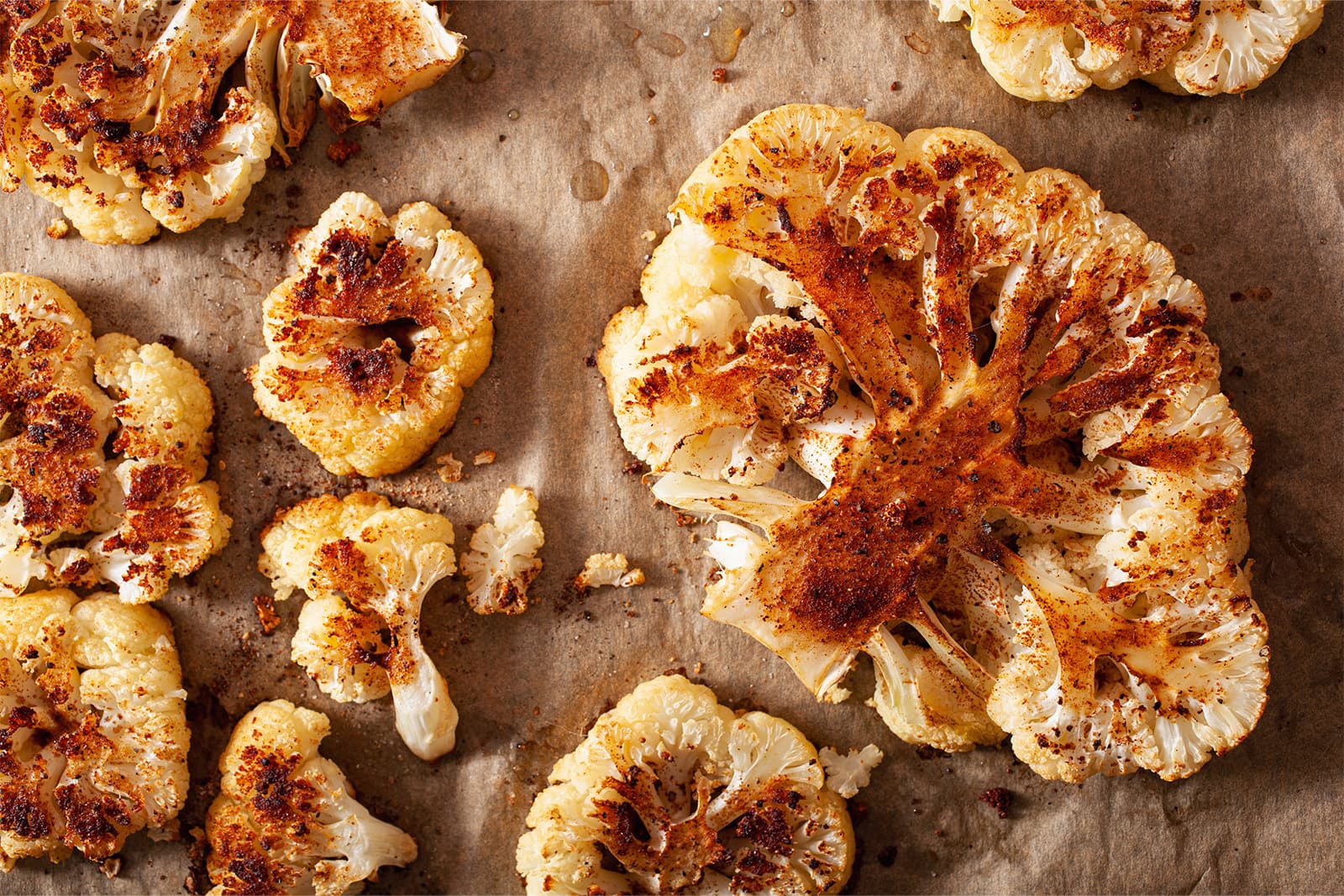
King oyster mushrooms are excellent here if you can find them. Halve them lengthwise, score the cut side in a crosshatch pattern, and fry cut side down for 3 to 4 minutes per side. They hold up even better under the glaze. Extra-firm tofu cut into thick slabs also works well: pat dry, coat in cornstarch, fry, and glaze. Cauliflower steaks are another good option.
Coconut Milk
Full-fat coconut milk is non-negotiable for the curry. Light coconut milk produces a thin, watery sauce that does not carry the bloom compounds properly. For the rice, full-fat is strongly preferred but light will work in a pinch.
Advance Preparation
The curry sauce can be made up to 2 days ahead through the blending step. Refrigerate, then reheat gently and add the coconut milk, butter, and lime juice when ready to serve. The mushrooms must be fried and glazed just before serving. They do not hold their crunch.
Leftovers
The curry stores well for 3 days refrigerated. The mushrooms will lose their crunch overnight. If you have leftover curry, reheat it and fry fresh mushrooms. The bloom flavor actually deepens as the sauce sits.
Blending Safety
If using a countertop blender, let the sauce cool for 5 minutes before blending and remove the center cap from the lid, covering the opening with a folded kitchen towel instead. Hot liquid expands in a sealed blender and can blow the lid off.
More recipes like this
New recipes and seasonal cooking ideas, once a week. Never more.
See everything that's in the newsletter