Seared Shrimp with Warm Silken Garden Green Oil
A fast sear, a warm herb oil spooned over the top, and every flavor arrives at once.
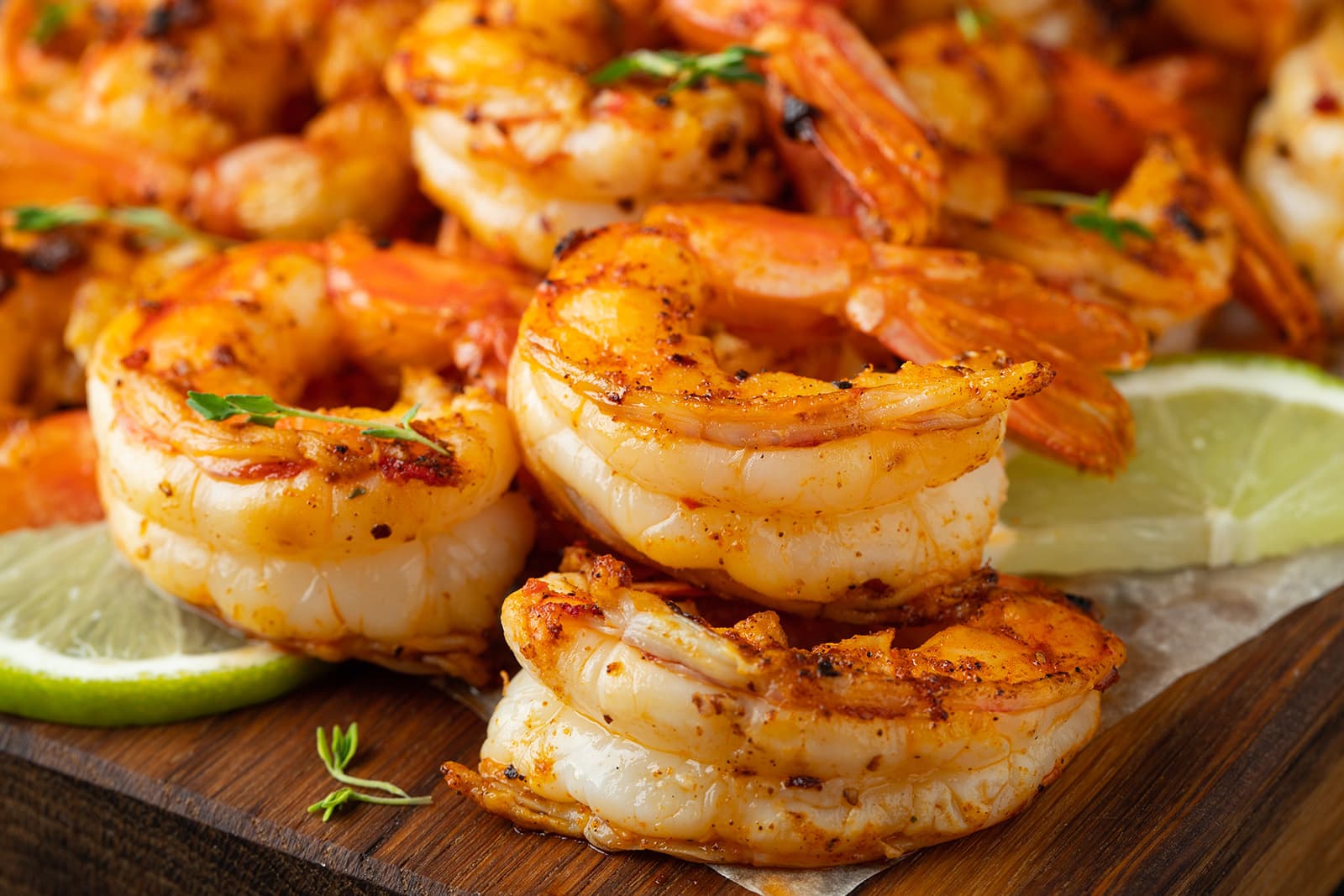
Large shrimp seared hard in a screaming hot pan until the edges char, then finished with a warm olive oil steeped with Silken Garden Green Blend. The blend never touches cooking heat. It expresses at full aromatic strength the moment it meets the hot shrimp. Toasted pine nuts and lemon juice at the table keep the finish bright and crunchy.
Ingredients, method, and practical notes
Equipment
Method
Toast the pine nuts in a small dry skillet over medium heat, shaking the pan frequently, for 3 to 4 minutes until golden and fragrant. Transfer immediately to a plate to stop the cooking. Set aside.
👁 Even golden color with a sweet, nutty aroma. A few light brown spots are fine.WhyPine nuts go from golden to burnt in seconds. Transferring them to a plate immediately stops the residual heat from carrying them too far.What to noticeThe aroma shifts from neutral to sweet and buttery right at the point they turn golden. That is the moment to pull them.If something's offDark brown or black spots spreading across the nuts.Fix: The heat was too high or you left them in the pan after removing from heat. Use medium heat and move them to a cool plate the moment they turn golden.
Prepare the finishing oil. In a small saucepan, warm the extra-virgin olive oil and the sliced garlic over medium-low heat for 2 to 3 minutes until the garlic is softened and just barely golden. Do not let the garlic brown.
👁 Tiny bubbles form around the garlic slices. The garlic is pale gold and the oil smells sweet and nutty.WhyGentle heat makes the garlic sweet and mellow. Browning it would introduce a toasted bitterness that competes with the blend's delicate herbs.If something's offGarlic is browning rapidly or turning dark at the edges.Fix: Pull the pan off the heat immediately. The oil is too hot. Let it cool for a minute before proceeding.
Remove the saucepan from the heat. Let the oil cool for 30 seconds, then stir in one tablespoon of Silken Garden Green Blend. Let it steep, off heat, for at least 60 seconds. Stir once more.
👁 The oil turns a soft green-gold. An immediate wave of herb aroma rises from the pan. You should be able to smell basil, dill, and mint distinctly.Finish PhaseWhyThis is the core teaching moment. The blend is not being cooked. It is being steeped in warm fat just long enough to open its volatile compounds without degrading them. Every herb in the blend expresses individually because heat has not had time to merge them into one unified note. This is the finish phase in its purest form.What to noticeSmell the oil immediately after stirring in the blend. You will be able to identify individual herbs: the basil, the mint, the dill. In a cooked application, those same herbs merge into a single savory impression. Here, each one announces itself. That difference is the difference between cook-in and finish.If something's offThe oil smells muted or flat, with no distinct herb notes.Fix: The oil was not warm enough, or it cooled too much before the blend went in. The oil should be warm to the touch but not sizzling. If it is too cool, return it to the lowest heat for 15 seconds and try again.
While the oil steeps, pat the shrimp completely dry with paper towels. This is critical. Season all sides with kosher salt.
👁 The shrimp surface should feel dry and slightly tacky, not wet or glistening.WhyWet shrimp steam instead of sear. The moisture creates a barrier between the surface and the hot oil, preventing the char you need. Every drop of water you remove is a better crust.Heat a 12-inch skillet over high heat for 2 minutes. Add two tablespoons of neutral oil. Wait until the oil shimmers and the first wisps of smoke appear. Working quickly, lay the shrimp in the pan in a single layer without crowding. Do not move them.
👁 The oil shimmers with faint wisps of smoke. The shrimp should sizzle aggressively the instant they touch the pan.WhyHigh heat is the only way to get color on shrimp before they overcook inside. Shrimp cook in minutes, so the window for browning is narrow. The pan must be as hot as possible when they go in.What to noticeListen for an immediate, loud sizzle. If the pan is quiet, the shrimp are steaming. Pull them, reheat the pan, and try again.If something's offThe shrimp release liquid and the sizzle dies down. The surface is gray, not pink-white with charred edges.Fix: Too many shrimp in the pan, or the pan was not hot enough. Sear in two batches next time, reheating the pan between batches.
Sear without moving for 2 minutes until the bottoms are deeply pink with golden-brown charred spots. Flip and sear the second side for 1 to 2 minutes until just cooked through. The shrimp should curl into a loose C shape, not a tight O.
👁 Golden-brown char on the bottom edges. The shrimp are opaque about two-thirds of the way up. After flipping, the second side takes about 60 to 90 seconds.WhyA loose C shape means the shrimp is cooked through but still tender. A tight O means overcooked and rubbery. The residual heat finishes the cooking once they come off the pan.What to noticeWatch the color change climb up the sides of the shrimp as the first side sears. When it reaches about two-thirds up, flip immediately.If something's offShrimp are curled into tight circles with a rubbery bounce when pressed.Fix: Overcooked. Reduce sear time to 90 seconds per side next time. The shrimp will continue firming as they rest.
Transfer the shrimp to a serving plate or shallow bowl. Immediately spoon the warm Silken Garden Green Blend oil over the hot shrimp, distributing the garlic slices evenly. Scatter the toasted pine nuts on top. Finish with a generous squeeze of lemon juice and a pinch of flaky salt. Serve immediately with crusty bread or warm orzo for soaking up the oil.
👁 The green-gold oil pools around the seared shrimp. The pine nuts are visible. The lemon juice causes the surface to glisten. An immediate wave of herb aroma rises when the oil meets the hot shrimp.Finish PhaseWhySpeed matters. The shrimp's residual heat releases the oil's volatile compounds the moment they make contact. That burst of aroma is the finish phase at work. If you wait and the shrimp cool, the effect is muted. Serve immediately.What to noticeThe moment the warm oil hits the hot shrimp, lean in and smell. The herb aroma lifts immediately. That is the volatile compounds releasing on contact with heat they did not cook through. This is what makes a finishing application different from a cooked one.
What This Recipe Teaches
How the same blend expresses completely differently in a finishing application than in a cooked one, with individual herbs identifiable instead of merged.
How the Blend Behaves Here
Silken Garden Green Blend is stirred into warm olive oil off heat and steeped for 60 seconds. No cooking takes place. The basil, dill, mint, and parsley express individually at full volatile strength because heat has not broken them down or merged their aromatic compounds. The coriander still provides a grounding backbone, but it is audible as a distinct note rather than an invisible anchor. This is the opposite of how the blend behaves in the Yogurt-Poached Chicken, where 20 minutes of gentle heat fuse those same herbs into one unified savory impression.
What to Notice
Aromatic entry: Bright, distinct herbs from the finishing oil, rising off the hot shrimp. Basil and mint lead, with dill and coriander in the background.
Mid-palate: The seared shrimp's sweetness meets the warm olive oil's richness. The garlic adds a mellow, nutty note. Pine nuts contribute a buttery crunch that contrasts the tender shrimp.
Lingering finish: Lemon cuts through the oil and lifts the herbs into a clean, bright close. The finish is quick and clear, not lingering. The dish invites the next bite rather than asking you to wait.
The Cook-In vs. Finish Comparison
How cooking time changes the blend from a chorus of distinct herbs into a single savory voice.
How: Make this recipe as written. Then make two tablespoons of the same finishing oil but simmer it gently over low heat for 5 full minutes instead of steeping it off heat. Spoon each oil over a piece of shrimp and taste side by side.
Compare: The steeped oil will taste bright and herby with individual notes you can name. The simmered oil will taste warmer, rounder, and more unified. The herbs will have lost their individual voices and merged into a single, softer impression. Neither is wrong. They are two different tools.
Symptom: The finishing oil smells and tastes flat, with no distinct herb aroma
Cause: The oil was too cool when the blend was added. The herbs need warmth to open their volatile compounds. Room-temperature oil will not release them.
Fix: The oil should be warm enough that you can feel the heat when you hold your hand over the pan, but not hot enough to sizzle. If it cooled too much, return it to the lowest heat for 15 seconds and try again.
Symptom: The finishing oil smells cooked and muted, more like a soup base than a fresh herb oil
Cause: The oil was too hot when the blend went in, or it sat over heat for too long. The herbs cooked instead of steeping, and their volatile compounds degraded.
Fix: Remove the oil from heat and let it cool for 30 seconds before adding the blend. The goal is warm, not hot. If it sizzles when the blend hits the oil, it is too hot.
Symptom: The shrimp are gray and soft instead of charred and snappy
Cause: The pan was not hot enough or the shrimp were wet when they went in. Surface moisture creates steam that prevents browning.
Fix: Pat the shrimp aggressively dry. Preheat the pan for a full 2 minutes over high heat. The oil should be shimmering with wisps of smoke before the first shrimp goes in. If cooking more than a dozen shrimp, sear in two batches.
Notes
Protein Alternatives
Seared scallops work beautifully here. Sear for 2 minutes per side in the same hot pan. The warm herb oil over caramelized scallops is exceptional. Firm white fish fillets also work: sear skin-side down and spoon the oil over the top side.
Getting the Oil Temperature Right
The oil should be warm enough to release the herb aromas but not hot enough to cook them. A practical test: dip a fingertip in the oil after removing it from heat. If it feels like warm bathwater, the temperature is right. If you pull your finger back, it is too hot.
Advance Preparation
Toast the pine nuts and prepare the garlic earlier in the day. The finishing oil itself should be made right before serving since the volatile compounds dissipate as the oil cools.
What to Serve Alongside
Crusty bread for soaking up the herb oil is the best pairing. Warm orzo or couscous also works. A simple arugula salad with lemon and olive oil complements the dish without competing.
More recipes like this
New recipes and seasonal cooking ideas, once a week. Never more.
See everything that's in the newsletter