Brown Butter Roasted Squash with Smoldering Fig Dust Blend
Brown butter, toasted seeds, and a smoky dust that turns sweeter food savory as it rests.
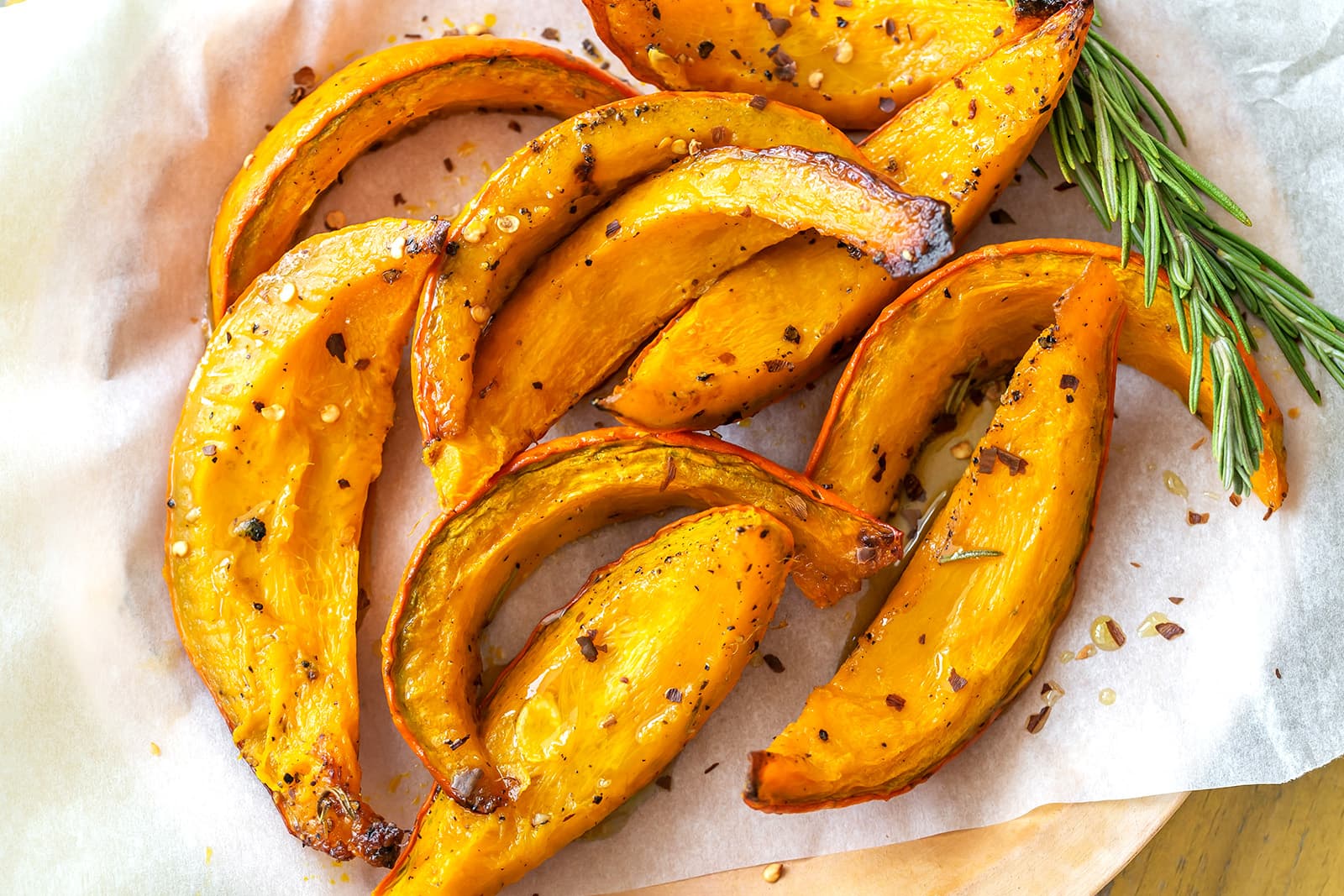
Butternut squash roasted until deeply caramelized, then drizzled with brown butter infused with Smoldering Fig Dust Blend and pomegranate molasses. The first taste is warm and gently sweet. After five minutes of resting, smoke and savoriness take over, and the pepitas keep every bite distinct.
Ingredients, method, and practical notes
Equipment
Method
Preheat the oven to 425°F. Line a large sheet pan with parchment paper.
Toss the butternut squash chunks with olive oil and kosher salt on the sheet pan. Spread in a single layer with at least half an inch of space between pieces. No overlapping.
👁 Every piece glistens with oil. No dry, powdery patches of salt visible.WhySpacing the pieces apart allows moisture to escape as steam instead of pooling around the squash. Crowded squash steams rather than caramelizes, and you lose the browned edges that make this dish work.What to noticeIf the pan looks crowded, use two pans. This is the most common mistake and the one that matters most.If something's offSquash pieces are touching or overlapping on the pan.Fix: Split onto two sheet pans. Crowded squash steams and turns soft without browning.
Roast for 30 to 35 minutes, turning the pieces once at the 20-minute mark, until the edges are deeply caramelized and golden brown and the interior is tender when pierced with a knife.
👁 Deep golden brown to amber edges with some darker spots. A knife slides through the center of a piece with no resistance.Cook-In PhaseWhyHigh heat concentrates the squash's natural sugars at the surface and produces caramelized edges. Turning once gives both sides contact with the hot pan. The caramelization creates the sweetness that the blend later transforms during the rest.What to noticeAt 20 minutes, the undersides should be golden and starting to brown. If they are still pale, the oven may not be hot enough. Give them five more minutes before flipping.If something's offAfter 35 minutes, the squash is soft but pale with no browning.Fix: The oven was too low or the pan was crowded. Increase heat to 450°F for the last 10 minutes, or spread the squash across two pans next time.
While the squash roasts, toast the pepitas in a dry skillet over medium heat, stirring frequently, until they puff slightly, turn golden, and begin to pop, about 3 to 4 minutes. Transfer to a small bowl immediately.
👁 Seeds puff slightly and shift from flat green to golden with brown spots. A few will pop like popcorn.WhyToasting brings out the nutty flavor and creates the crisp texture that contrasts with the soft squash. Transferring them out of the hot pan immediately prevents carryover heat from burning them.What to noticeListen for the first pop. Once you hear it, stir constantly. They go from toasted to burnt in about 30 seconds.If something's offSeeds are dark brown or black and smell acrid.Fix: Heat was too high or they stayed in the pan too long. Start with a cold pan next time and keep the heat at medium. Use a fresh batch if they taste bitter.
In the last five minutes of roasting, melt the butter in a small saucepan over medium heat. Continue cooking, swirling the pan occasionally, until the butter turns golden brown and smells nutty, about 3 to 4 minutes after it melts. Watch the color closely once the foaming subsides.
👁 The butter passes through foaming, then the foam settles and the liquid beneath shifts from yellow to golden to amber. Small brown flecks (milk solids) appear on the bottom. The aroma changes from creamy to nutty and toasted.WhyBrowning the butter adds a toasted, nutty quality that supports the blend's warm spice character. The browned milk solids become part of the flavor base. If the butter only melts without browning, the dish loses a layer of warmth.What to noticeThe color shift from golden to amber happens quickly. Start checking after the foaming dies down. Once you see amber and smell toast, remove from heat.If something's offThe butter smells sharp or acrid and the solids on the bottom are black instead of brown.Fix: The heat was too high or you waited too long. Black solids mean burnt butter, which tastes bitter. Start over with fresh butter at lower heat. Medium, not medium-high.
Remove the brown butter from heat immediately. Stir in the Smoldering Fig Dust Blend and pomegranate molasses. The butter will foam briefly as the blend opens in the residual heat.
👁 The butter darkens slightly as the blend dissolves. The aroma shifts from nutty butter to warm spice with a faint smokiness. The pomegranate molasses disappears into the butter almost immediately.Finish PhaseWhyAdding the blend off heat is critical. Smoldering Fig Dust Blend is a finishing blend designed to open in residual warmth, not cook in direct heat. Direct heat would push the brown sugar into bitterness and flatten the smoke. Off heat, the warm spices open gently and the sweetness stays restrained. The pomegranate molasses adds tartness that balances the butter's richness and the blend's sweetness in one move.What to noticeSmell the butter before and after adding the blend. Before: nutty and toasted. After: warmer, spiced, with a hint of dark fruit. That shift is the blend opening.If something's offThe blend sits on the surface in visible dry clumps instead of dissolving.Fix: The butter cooled too much before the blend went in. Warm it gently for a few seconds over low heat, stirring constantly. Do not bring it back to a full simmer.
Transfer the roasted squash to a serving bowl or platter. Drizzle the brown butter mixture evenly over the squash and toss gently to coat.
👁 Every piece has a thin, glossy coating of brown butter. No pooling at the bottom of the bowl.WhyTossing while the squash is still hot allows the brown butter to coat and absorb into the caramelized surfaces. If the squash cools first, the butter sits on top rather than integrating.Scatter the toasted pepitas over the squash. Let the dish rest for 5 minutes before serving. Do not skip the rest.
👁 After 5 minutes, the gloss of the butter has settled into the squash. The aroma shifts from sweet and buttery to warmer and smokier.Rest PhaseWhyThe rest is where Smoldering Fig Dust Blend completes its transition. In the first minute, sweetness leads. By minute five, the ancho's soft smoke and the warm spices have taken over, and the finish tastes savory rather than sweet. Skipping the rest means eating the blend before it has expressed its full character.What to noticeIf you can, taste a piece of squash at minute one and another at minute five. The difference is the lesson. The first taste will be warm and sweet. The second will be smoky and savory with the sweetness pushed to the background. That is what resting does to this blend.If something's offThe dish tastes primarily sweet and buttery with no smoke or savoriness.Fix: The rest was skipped or too short. Give it the full five minutes. If the blend still reads sweet after resting, the proportion may be too low. Add a small pinch more next time.
What This Recipe Teaches
How the rest phase transforms a finishing blend from sweet and forward to smoky and savory, using the same dish tasted at two different moments.
How the Blend Behaves Here
Smoldering Fig Dust Blend opens with gentle sweetness the moment it hits the hot brown butter. The ancho chile and warm spices (cinnamon, nutmeg, clove) activate in the residual heat, but their smoke character stays in the background. Over five minutes of rest on the hot squash, the brown sugar's sweetness fades and the ancho's soft smoke takes over. The sumac inside the blend quietly lifts the finish, preventing the smoke from feeling flat or heavy. The dish tastes meaningfully different at minute one and minute five, and minute five is the target.
What to Notice
Aromatic entry: Warm brown butter and toasted spice rising from the bowl before the first bite. The aroma is inviting and sweet, not sharp.
Mid-palate: Caramelized squash and rich butter, with the blend's warmth spread through the fat. Pepitas add a nutty crunch that breaks the softness. The spice is present but integrated.
Lingering finish: Soft smoke from the ancho, gentle warmth from cinnamon and nutmeg, and a quiet tartness from the pomegranate molasses that keeps the finish clean. The sweetness has receded. What stays is savory and warm.
The Rest Timing Test
How rest duration changes which part of the blend you taste first and last.
How: Set aside two pieces of dressed squash on separate plates. Taste one immediately after drizzling with the brown butter. Let the other rest for the full five minutes, then taste it. Focus on two things: what flavor leads the first impression, and what lingers after you swallow.
Compare: The immediate piece will taste sweet and buttery. The rested piece will taste smoky and savory with the sweetness pushed behind. The lingering finish on the rested piece is the blend's signature: warmth that stays without coating.
Symptom: The dish tastes flat and one-dimensionally sweet with no smoke or savory finish
Cause: The rest was skipped or cut short. Smoldering Fig Dust Blend needs time off heat for the ancho's smoke to express and the brown sugar's sweetness to recede. Without the rest, you are eating the blend's opening, not its full character.
Fix: Give the dressed squash a full five minutes before serving. Set a timer. The transformation between minute two and minute five is where the blend completes its transition.
Symptom: The brown butter tastes bitter and acrid rather than nutty and warm
Cause: The butter was cooked past brown into burnt. The milk solids went from amber to black, producing sharp bitterness that the blend cannot mask.
Fix: Start over with fresh butter. Keep heat at medium and watch the color closely once the foaming subsides. Remove from heat the moment you see amber and smell toast. The window between browned and burnt is about 30 seconds.
Symptom: The squash is soft and pale with no caramelized edges
Cause: The pan was overcrowded, trapping steam around the squash instead of letting moisture escape. Squash that steams cannot brown.
Fix: Spread the squash across two sheet pans with space between every piece. Make sure the oven is fully preheated to 425°F before the pan goes in.
Symptom: The blend tastes harsh, ashy, or bitter on the squash
Cause: The blend was added to butter that was still on direct heat, or it was cooked into the squash in the oven. Smoldering Fig Dust Blend is a finishing blend. Direct or sustained heat pushes its brown sugar into bitterness and flattens the smoke.
Fix: Always remove the butter from heat before stirring in the blend. The residual warmth of the brown butter is enough to open the spices. Never add this blend to food that is still cooking.
Notes
Vegetable Alternatives
Acorn squash, delicata squash, sweet potatoes, or carrots all work well here. Cut them into similar-sized chunks and adjust roasting time: sweet potatoes may need 5 fewer minutes, carrots may need 5 more. Choose dense, naturally sweet vegetables that caramelize well. Avoid watery vegetables like zucchini, summer squash, eggplant, or tomatoes. They release too much moisture and will not support the blend's smoky, savory finish.
Pepita Alternatives
Toasted sunflower seeds or roughly chopped toasted walnuts both work well in place of pepitas. Choose something that adds crunch without a strong competing flavor. Hazelnuts are also good if you like their earthiness alongside the smoke.
Compound Butter Variation
For a simpler approach, skip the brown butter step and make a compound butter instead. Mix 4 oz of softened unsalted butter with 1.5 tsp of Smoldering Fig Dust Blend until evenly combined. Refrigerate for at least 30 minutes. Slice rounds of the compound butter over the hot squash and let them melt and rest for five minutes. The blend still transitions from sweet to savory, but without the brown butter's nutty base note. This works especially well for weeknight cooking when you want to prep the butter ahead.
Advance Preparation
The squash can be peeled and cut up to a day ahead. Store in an airtight container in the refrigerator and bring to room temperature before roasting. The pepitas can be toasted ahead and stored in a sealed container at room temperature for up to a week.
Leftovers
Refrigerate in an airtight container for up to 3 days. Reheat gently in a 350°F oven for 10 minutes. The blend's character settles further overnight, leaning more savory and smoky. Add a fresh scatter of toasted pepitas before serving to restore the crunch.
More recipes like this
New recipes and seasonal cooking ideas, once a week. Never more.
See everything that's in the newsletter