Lamb Chops with Black Orchard Blend
Seared hard, rested patiently, and rewarded with a dark citrus finish that was not there at the grill.
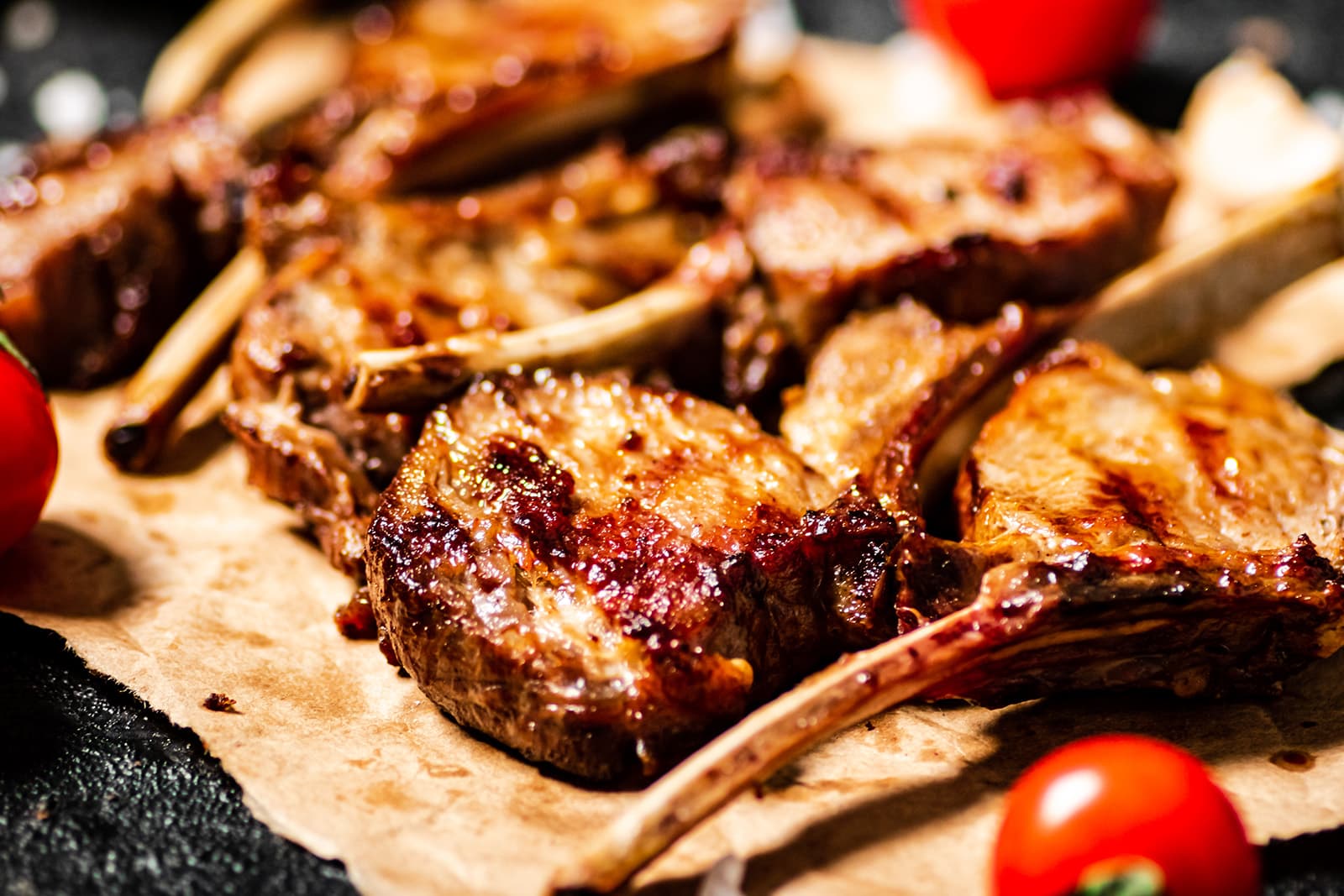
Thick-cut lamb loin chops rubbed with Black Orchard Blend and seared in a hot pan or on the grill. The rosemary, thyme, and cumin do their work during cooking, building savory depth and a resinous crust. Then the rest changes everything. Over 8 minutes off heat, black lime and sumac surface as a dark, wine-like citrus note that was completely absent in the first bite off the pan. This recipe exists to prove that resting is not downtime. It is a phase where new flavors arrive.
Ingredients, method, and practical notes
Equipment
Method
Remove the lamb chops from the refrigerator 20 minutes before cooking. Pat completely dry with paper towels. Season all sides with kosher salt. Drizzle with olive oil and rub to coat. Apply Black Orchard Blend over all surfaces, pressing firmly into the meat.
👁 The chops are evenly coated in a dark, herby layer. The rosemary and thyme flecks are visible in the rub. The surface feels slightly tacky.WhyTempering ensures even cooking. Cold meat sears unevenly and the exterior overcooks before the center reaches temperature. Pressing the rub firmly creates better adhesion and a more even crust.What to noticeSmell the rub on the raw meat. The rosemary and thyme are forward. The cumin and coriander provide a warm, savory base. The black lime and sumac are present but quiet, almost invisible in the aroma. Remember this. The rest phase will change what you smell.Heat a 12-inch cast iron skillet over high heat for 3 minutes. Add the lamb chops and press gently to ensure full contact with the pan. Sear without moving for 4 minutes on the first side.
👁 A deep brown crust forms with the herbs visibly darkened and fused to the surface. The edges show color rising about a quarter of the way up.Bloom PhaseWhyHigh heat activates the heat-responsive components of Black Orchard Blend. Coriander and cumin darken and deepen. Rosemary's resinous compounds bind to the fat and the meat surface. Thyme toasts into the crust. These are the forward flavors that define the seared chop. The black lime and sumac are also on the surface, but high heat suppresses their volatile citrus compounds. They are staged for the rest, not the sear.What to noticeListen for a hard, steady sizzle. The aroma should be savory and herby, dominated by rosemary and toasted cumin. No citrus note yet. That is correct. The citrus is waiting.If something's offThe rub turns black and the aroma is acrid within the first 2 minutes.Fix: The pan was too hot. Black Orchard Blend contains rosemary and thyme which can burn under extreme heat. Reduce to medium-high. The crust should darken gradually over 4 minutes, not instantly.
Flip the chops. Sear the second side for 3 minutes. In the last 30 seconds, add the butter to the pan if using. Tilt the pan and spoon the foaming butter over the chops two or three times.
👁 Both sides have an even, herb-studded brown crust. The butter has foamed and turned golden, with rosemary and thyme flecks suspended in it. Internal temperature should read 125 to 130°F for medium-rare.Cook-In PhaseWhyThe butter baste deepens the crust's resinous character. As the butter browns, its compounds complement the rosemary and thyme in the blend. The baste also ensures the top surface, which is not in contact with the hot pan, receives some direct fat and heat contact. Pull at 125 to 130°F to account for 5 to 8°F of carryover during the rest.What to noticeThe butter aroma combines with the herby crust and produces something that smells rich and savory. Still no citrus. The dominant notes are brown butter, rosemary, and toasted cumin.If something's offThe butter turns dark brown to black and smells burnt rather than nutty.Fix: The pan was too hot for the butter. Next time, add the butter and immediately begin basting. The butter should foam and turn golden, not smoke. If it burns, discard it and baste with a fresh tablespoon.
Transfer the lamb chops to a wire rack set over a plate. Rest for 8 minutes without cutting. Do not tent with foil.
👁 After 8 minutes, the chops look composed. The crust has set. A small amount of juice may collect on the plate underneath the rack, but the meat holds its juices when cut.Rest PhaseWhyThis is the most important step in the recipe. During these 8 minutes, two things happen. First, the juices redistribute so the meat stays moist when cut. Second, and more importantly for this blend, the surface cools enough for the black lime and sumac to express. Black lime's dark, funky tartness and sumac's dry, wine-like brightness are volatile compounds that are suppressed by high heat. As the surface temperature drops from searing hot to warm, those compounds become detectable. The flavor at minute 8 is fundamentally different from the flavor at minute 0. Resting is not downtime. It is a phase where new flavors arrive.What to noticeThis is the teaching moment. Take a very small slice from one chop immediately when it comes off the heat, before starting the timer. Taste it. The flavor is savory, herby, forward, with cumin and rosemary dominating. Now wait the full 8 minutes. Taste a slice from the rested chop. The savory base is still there, but now there is a dark, tart, wine-like note at the end of each bite. That is the black lime and sumac surfacing. It was not there before. The rest created it.If something's offAfter resting, the crust is soft and soggy rather than intact.Fix: The chops were tented with foil, trapping steam. Rest uncovered on a wire rack so air circulates around all surfaces. The crust reabsorbs surface moisture during rest when properly exposed to air.
Serve the chops whole or sliced between the bones. Offer lemon wedges at the table.
👁 The interior is evenly pink for medium-rare. The crust is intact, herb-flecked, and dry to the touch. If sliced, the transition from dark crust to pink interior is clean.Finish PhaseWhyA squeeze of lemon after resting amplifies what the rest has already produced. The lemon's citric acid connects with the sumac and black lime's tartness and makes the dark citrus note more vivid. The lemon does not introduce a new flavor. It reveals and extends what the rest phase brought forward.What to noticeTry one bite without lemon and one with. Without lemon, the dark citrus is present but quiet, a finish-note that arrives at the back of the palate. With lemon, the same note is brighter and more forward. The lemon acts as an amplifier for the rest-phase compounds.
What This Recipe Teaches
How the rest phase is a distinct flavor event, not downtime. Black lime and sumac in Black Orchard Blend are suppressed by high heat and only express after the meat cools. The flavor at minute 8 is fundamentally different from minute 0.
How the Blend Behaves Here
Black Orchard Blend unfolds in two stages in this recipe. During searing, the heat-activated components dominate: coriander and cumin build a broad savory base, rosemary and thyme add resinous depth, and allspice and cinnamon provide quiet warmth. The crust tastes herby, savory, and complete. But it is not complete. During the 8-minute rest, the surface temperature drops and the heat-suppressed compounds surface. Black lime contributes a dark, funky tartness that reads as citrus but feels savory. Sumac adds a dry, wine-like brightness that lifts the finish. Together they create a dark citrus note that was completely absent during and immediately after searing. The rest does not merely preserve the seared flavors. It adds to them.
What to Notice
Aromatic entry: Warm rosemary and toasted cumin from the herby crust. Brown butter if used. The aroma is savory and resinous, inviting and serious.
Mid-palate: Rich lamb fat carrying steady warmth from coriander and cumin. The crust adds concentrated herby depth. Allspice and cinnamon provide quiet warmth in the background, supporting the fat without introducing sweetness.
Lingering finish: The defining moment. A dark, wine-like tartness from the black lime and sumac arrives at the end of each bite. It is not sharp or sour. It is dry and savory, like the last sip of a complex red wine. The finish lingers and pulls you back for another bite. This note exists only because of the rest.
The Rest Timing Test
How rest duration determines whether the dark citrus compounds in Black Orchard Blend have time to express.
How: Sear four lamb chops identically. Cut and taste one immediately at 0 minutes, one at 3 minutes, one at 5 minutes, and one at 8 minutes. Use separate plates so each chop rests independently.
Compare: Track the presence of the dark citrus note at each interval. At 0 minutes, it is absent. At 3 minutes, it is faintly detectable. At 5 minutes, it is present but still developing. At 8 minutes, it defines the finish. The blend was designed for this timing. Cutting early does not just lose juices. It loses flavor.
Symptom: The chops taste herby and savory but there is no dark citrus finish, even after resting
Cause: The rest was too short. Black lime and sumac need the full 8 minutes to surface. Cutting at 3 to 4 minutes produces a partially resolved result where the herbs dominate and the citrus is barely detectable.
Fix: Set a timer for the full 8 minutes. The transformation between minute 5 and minute 8 is the most significant. Do not cut early.
Symptom: The herbs in the crust taste burnt and bitter rather than resinous and savory
Cause: The pan was too hot. Rosemary and thyme burn at temperatures above 500°F. The sear should be high but not extreme.
Fix: Use high heat for a cast iron skillet but not maximum. The crust should darken gradually over 4 minutes. If the herbs blacken in the first minute, the heat is too aggressive. Reduce to medium-high.
Symptom: The interior is gray and overcooked with no pink
Cause: The chops were too thin or the sear ran too long. Thin chops overcook before the crust fully develops.
Fix: Use chops at least 1.25 inches thick. Pull at 125 to 130°F internal. Carryover will add 5 to 8°F during the rest. If chops are thinner, reduce sear time to 3 minutes per side.
Symptom: The crust is soggy after resting
Cause: The chops were tented with foil or rested on a flat plate where steam collected under the meat.
Fix: Rest uncovered on a wire rack. Air circulation around all surfaces preserves the crust. Never tent lamb chops with foil.
Notes
The Rest Is the Point
This recipe is designed to teach the rest phase. If you skip or shorten the rest, the black lime and sumac never surface and the chops taste like a good herb rub rather than something more complex. The full 8 minutes is not a suggestion. It is where the blend completes its expression.
Other Cuts
Lamb rib chops work well with the same technique. Leg steaks are leaner and benefit from the butter baste more. Bone-in pork chops are an excellent non-lamb option, but the rest phase produces a subtler dark citrus note because pork fat carries the blend differently.
What to Serve Alongside
The dark citrus finish pairs well with clean, simple sides. A lightly dressed green salad, roasted potatoes, or warm flatbread. Avoid heavily spiced sides that compete with the blend's layered finish. A bowl of [Amber Root Base Blend](https://www.emberloftspices.com/blends/amber-root) lentil soup makes an excellent first course, as the warm, grounding base contrasts with the herb-forward, citrus-finishing lamb.
Advance Preparation
Apply the rub up to 4 hours ahead and refrigerate uncovered on a rack. The surface dries, which improves crust formation. Remove from the refrigerator 20 minutes before cooking.
More recipes like this
New recipes and seasonal cooking ideas, once a week. Never more.
See everything that's in the newsletter