Chicken Tagine with Preserved Lemon and Golden Citrus Shore
Two kinds of citrus, one patient braise, and a sauce you will remember.
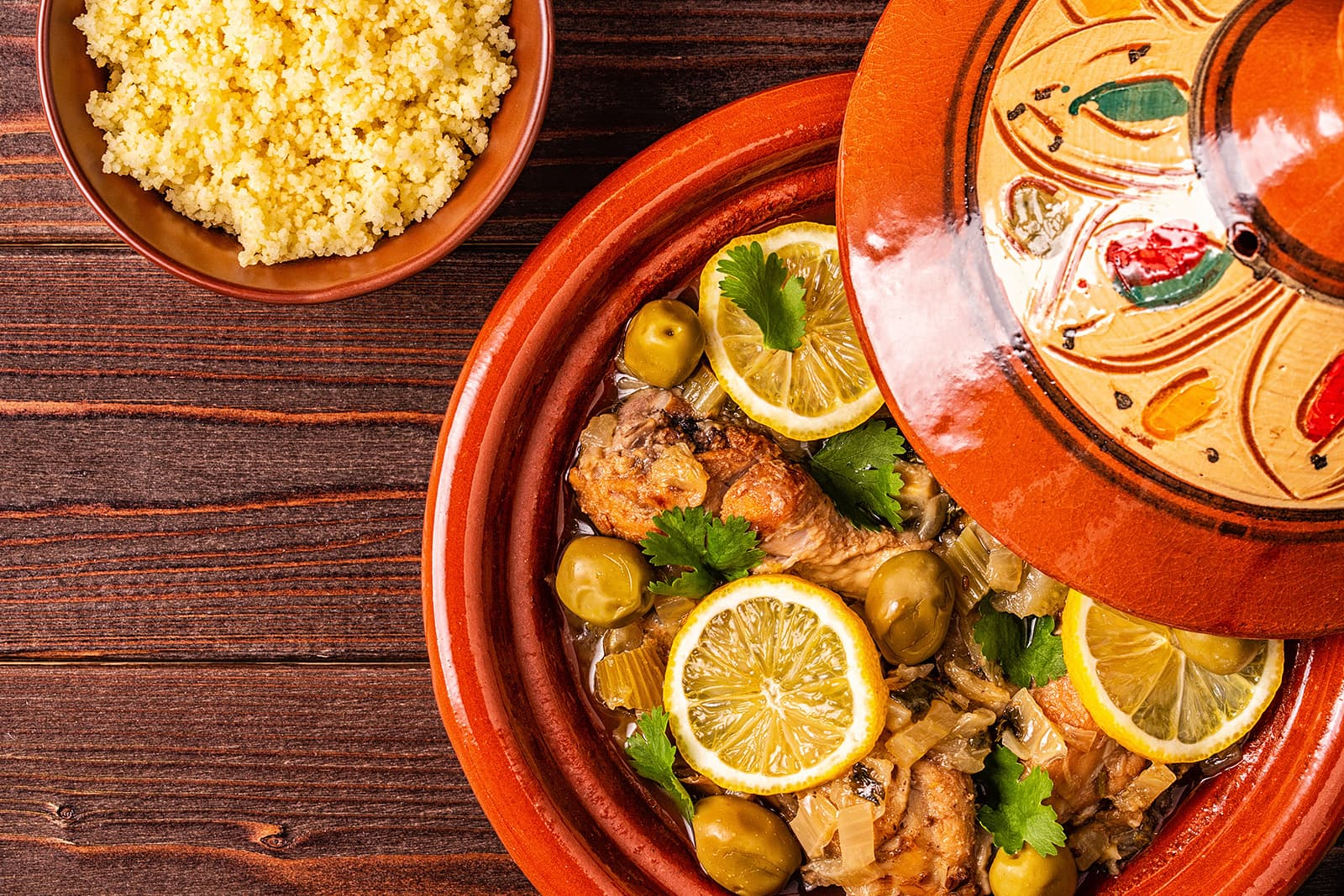
Bone-in chicken thighs browned and braised with Golden Citrus Shore Blend, preserved lemon, and green olives. The blend's warm, layered citrus integrates through the braising liquid while the preserved lemon holds its own concentrated, fermented intensity. They do not compete. They converse. The result is a golden, fragrant sauce with two distinct citrus voices and chicken that falls off the bone.
Ingredients, method, and practical notes
Equipment
Method
Season the chicken thighs on both sides with 2 teaspoons of Golden Citrus Shore Blend, 1 teaspoon of kosher salt, and the black pepper. Press the seasoning gently into the skin. Let sit at room temperature for 15 minutes. If using saffron, steep the threads in 2 tablespoons of hot water now.
👁 The skin takes on a faint golden tint from the blend's turmeric. The surface feels slightly tacky where the salt has drawn a thin sheen of moisture.WhyThe rest at room temperature allows the seasoning to begin working into the surface and brings the chicken closer to room temperature for more even cooking. The blend's citric acid starts activating on contact with the chicken's surface moisture.What to noticeYou may catch a faint citrus scent as the blend contacts the damp chicken skin. That is the citric acid beginning to open.Heat the olive oil in a large, heavy-bottomed pot or Dutch oven over medium-high heat until shimmering.
👁 The oil moves in thin, quick ripples across the surface. Faint wisps of heat are visible but no smoke.WhyThe oil needs to be hot enough to brown the chicken immediately on contact. If the oil is not shimmering when the chicken goes in, it will steam rather than sear and the skin will be pale and flabby.Working in two batches to avoid crowding, place the chicken thighs skin-side down in the pot. Do not move them. Brown for 5 to 6 minutes until the skin is deep golden and releases easily from the pot. Flip and brown the second side for 3 minutes. Transfer to a plate. Repeat with the remaining chicken.
👁 The skin is deep golden brown, not pale yellow. Browned bits have formed on the bottom of the pot. The chicken releases cleanly when you lift it with tongs.Bloom PhaseWhyBrowning accomplishes three things. It crisps the skin and renders fat for the bloom. It creates browned bits on the pot bottom that will become the flavor base of the sauce. And the Golden Citrus Shore Blend on the skin begins to bloom in the rendered fat, starting the citrus transformation. Crowding the pot traps steam and prevents browning.What to noticeThe kitchen should smell like toasted spice and rendered chicken fat. The blend's turmeric turns the rendered fat golden. Those browned bits on the pot bottom are concentrated flavor.If something's offThe skin is pale and soft after 6 minutes, or the chicken is sitting in liquid rather than fat.Fix: The pot was overcrowded or not hot enough. Remove the chicken, increase heat, and let the pot dry out before continuing. Brown in smaller batches.
Pour off all but about 2 tablespoons of the rendered fat. Reduce heat to medium. Add the grated onion and cook, stirring occasionally, for 5 to 6 minutes until softened, golden, and no longer releasing liquid.
👁 The onion has gone from translucent and watery to golden and thick. It looks almost like a paste. The liquid it released has cooked off.WhyGrated onion melts into the sauce rather than sitting in chunks. Cooking until the liquid is gone concentrates the sweetness and prevents a watery sauce later. The onion's natural sugars also pick up and dissolve the browned bits from the pot bottom.What to noticeListen for the sizzle to change. At first it sounds wet and bubbly as the onion releases water. When the water cooks off, the sound shifts to a drier, steadier sizzle. That shift means the onion is ready for the next step.If something's offThe onion is browning too fast or sticking aggressively.Fix: The heat is too high. Add a splash of water (2 tablespoons) to slow the browning and reduce heat slightly.
Add the garlic, ginger, and remaining 1.5 teaspoons of Golden Citrus Shore Blend. Stir constantly for 60 to 90 seconds until fragrant and the blend has darkened slightly.
👁 The mixture smells warm, aromatic, and citrusy. The blend has turned the onion mixture a deeper gold. The garlic and ginger are fragrant but not browned.Bloom PhaseWhyThis is the second bloom. The blend opens in the rendered chicken fat and the onion's moisture, releasing its citrus compounds into the flavor base of the braise. The fresh ginger adds a brighter warmth that will soften over the cooking time. This aromatic foundation is what the braising liquid will carry through the entire dish.What to noticeThe aroma should shift from raw garlic and ginger to something warmer and more rounded. The citrus from the blend should be detectable but not sharp. If it smells warm and inviting, the bloom is working.If something's offThe garlic turns brown or the blend smells acrid.Fix: The heat was too high. Remove the pot from heat, add the liquid immediately (next step), and stir to stop the cooking. The garlic may taste slightly bitter but the braise will soften it.
Add the chicken stock (or water) and the saffron water if using. Stir well, scraping any remaining browned bits from the bottom of the pot. Bring to a gentle simmer.
👁 A golden, aromatic liquid with small bubbles breaking the surface gently. All browned bits have been lifted from the pot bottom. The liquid should look like a thin, golden sauce, not a clear broth.Cook-In PhaseWhyThe liquid captures the bloomed spices, the browned bits, and the rendered fat into one unified braising medium. Those browned bits are concentrated flavor. Leaving them stuck to the pot means losing them. The liquid should come about halfway up a chicken thigh, not cover it completely.What to noticeThe liquid should already smell like a composed sauce, not just seasoned water. The bloom and the browning have built a foundation that the braising time will deepen.Return the chicken to the pot, skin-side up, nestling the pieces into the liquid. The liquid should come about halfway up the thighs. The skin should sit above the surface. Cover the pot and reduce heat to low. Simmer gently for 30 minutes.
👁 Through the lid, you should see very gentle bubbling, not a vigorous boil. The kitchen fills with warm, citrusy, savory aroma as the braise develops.Cook-In PhaseWhyThe covered, low-heat braise is where Golden Citrus Shore Blend does its most important work. Over 30 minutes, the blend's citric acid softens, the dried citrus peel and amchur deepen in the liquid, and the sumac bridges the bright early notes with the warmer ones developing as the braise continues. The chicken's fat and collagen melt into the sauce, giving it body. The skin stays above the liquid to retain some texture.What to noticeIf you lift the lid at 15 minutes and taste the sauce, it will taste good but still a bit sharp and one-dimensional. At 30 minutes, it will taste rounder and more composed. That progression is the blend's citrus system integrating through time.If something's offThe liquid is boiling vigorously rather than simmering gently.Fix: Reduce heat further. A hard boil toughens the chicken and causes the sauce to reduce too fast, concentrating salt before the flavors have time to integrate. You want lazy bubbles, not rolling ones.
Add the preserved lemon strips and green olives to the pot, tucking them around and between the chicken pieces. Cover and cook for 10 more minutes.
👁 The preserved lemon strips are distributed around the chicken. The olives sit nestled in the sauce.Cook-In PhaseWhyThe preserved lemons are added late deliberately. They are the most assertive ingredient in this dish, and if added at the beginning, their concentrated salt and fermented citrus would overwhelm the blend's more delicate, layered citrus before it had time to develop. Ten minutes is enough for the preserved lemon to warm through and release its aroma into the sauce while retaining its distinct, concentrated character. The olives warm through and absorb some of the braising liquid while holding their firm texture.What to noticeThe moment the preserved lemon hits the hot sauce, the aroma changes. A new citrus note appears, sharper and more intense than the blend's warm citrus underneath. These are the two voices. They arrive at different times and read differently on the palate. That layered arrival is what makes this dish work.Remove the lid. Taste the sauce and adjust salt only if needed. Remember that the preserved lemons and the blend both carry salt. Remove the pot from heat and let rest for 5 minutes.
👁 The sauce should coat the back of a spoon lightly. It looks golden, slightly glossy from the chicken fat, with visible strips of preserved lemon and whole olives.Rest PhaseWhyThe brief rest allows the sauce to settle and thicken slightly as it cools. The blend's citrus, which has been building for 40 minutes, finishes integrating. The preserved lemon's intensity softens just enough to sit alongside the blend's warmer citrus without overwhelming it. Tasting before salting is critical because three salt sources are already in the dish.What to noticeTaste the sauce at this point. You should be able to identify two distinct citrus characters: the blend's warm, rounded, savory citrus woven through the sauce, and the preserved lemon's more intense, fermented, concentrated citrus in the strips. If they taste like one thing, the preserved lemon was added too early or in too large a quantity.If something's offThe sauce tastes overwhelmingly salty.Fix: The preserved lemons were not rinsed, or too much salt was added to the chicken at the start. Add 2 to 3 tablespoons of water to the sauce, stir, and let it settle. Next time, rinse the preserved lemon rinds under running water for 10 seconds and season the chicken more lightly.
Scatter the chopped cilantro, parsley, and toasted almonds over the top. Serve directly from the pot with warm crusty bread or couscous alongside.
👁 Bright green herbs and pale golden almonds against the golden sauce and tender chicken. The dish looks vivid and intentional.Finish PhaseWhyThe fresh herbs provide aromatic lift after 40 minutes of covered braising. The cilantro connects to the citrus notes in the sauce. The parsley grounds the brightness. The almonds provide the crunch that every soft, braised dish needs. Bread is traditional for soaking up the sauce, which is the best part.What to noticeThe first thing that reaches you should be the herbs, bright and green. Then the warm, golden citrus of the sauce. Then, in the first bite, tender chicken falling from the bone, a strip of preserved lemon delivering its concentrated punch, an olive providing briny resistance, and an almond snapping between your teeth. That layered arrival is the architecture of this dish.
What This Recipe Teaches
How multiple assertive elements can coexist in one dish when each has a moderating counterpart, and how the timing of their introduction determines whether they converse or collide.
How the Blend Behaves Here
Golden Citrus Shore Blend enters this recipe in two waves. The first portion browns into the chicken skin during searing, creating a citrus-infused crust. The second portion blooms in the rendered fat with the aromatics, becoming the backbone of the braising liquid. Over 30 minutes of gentle simmering, the blend's citric acid softens, the dried citrus peel and amchur deepen, and the sumac bridges the transition from bright to warm. By the time the preserved lemons arrive at minute 30, the blend has already established its warm, rounded citrus identity in the sauce. The preserved lemons then provide a second, sharper, more concentrated citrus voice that sits alongside the blend's warmth without merging into it.
What to Notice
Aromatic entry: Fresh cilantro and parsley rising from the surface, then the warm golden citrus of the sauce underneath.
Mid-palate: Tender chicken carrying the blend's warm, savory citrus through the braising liquid. The preserved lemon arrives in concentrated bursts when you encounter a strip. The olives provide a briny, slightly bitter counterpoint. The sauce is silky from the rendered chicken fat and dissolved onion.
Lingering finish: A warm, gently fermented citrus that fades slowly. The blend's coriander and cardamom keep the finish rounded. The preserved lemon's intensity has softened into a floral afterglow. The almonds leave a toasted, sweet note as the last impression.
The Balance Test
How assertive ingredients behave differently in isolation versus in the context of their moderating counterparts.
How: Before serving, set aside one strip of preserved lemon rind on a small plate. Taste it on its own. It is intensely salty, concentrated, and fermented. Then take a bite of the finished dish, chicken, sauce, and a strip of preserved lemon together. Taste the same ingredient in both contexts.
Compare: On its own, preserved lemon is almost overwhelming, salty, sour, and pungent. In the context of the braised chicken, the rendered fat, and the blend's rounding agents (coriander, cardamom), the same preserved lemon reads as a bright, floral accent rather than a dominating force. The dish has moderated the assertive element without removing it. This is Checks and Balances in action.
Symptom: The sauce tastes overwhelmingly salty and sharp
Cause: The preserved lemon rinds were not rinsed before adding, or the chicken was seasoned too heavily at the start. Three salt sources (kosher salt, the blend, and preserved lemons) have stacked without calibration.
Fix: Always rinse preserved lemon rinds briefly under running water after discarding the pulp. Season the chicken lightly, knowing salt is coming from the blend and the preserved lemons. If the finished dish is too salty, stir in 2 to 3 tablespoons of water and let it settle. Next time, reduce the initial salt to half a teaspoon and taste the sauce before the preserved lemons go in.
Symptom: The preserved lemon and the blend's citrus taste muddy and indistinct rather than layered
Cause: The preserved lemons were added too early in the braise. They had too much time to dissolve into the sauce, and their distinctive character merged with the blend's citrus until neither was identifiable.
Fix: Preserved lemons go in during the last 10 minutes only. They need enough time to warm through and release aroma but not so much time that they lose their concentrated identity. If you added them at the beginning, the dish will still taste good, but you will have lost the two-voice layering that makes this recipe distinctive.
Symptom: The chicken skin is flabby and pale, not browned
Cause: The chicken was crowded in the pot, or it was not patted dry before browning, or the oil was not hot enough when the chicken went in.
Fix: Brown in two batches with space between the pieces. Pat the chicken aggressively dry. Wait for the oil to shimmer before adding each batch. Browning should be audible, a steady, confident sizzle for the entire 5 to 6 minutes.
Symptom: The sauce is thin and watery rather than silky and glossy
Cause: Too much liquid was added, or the braise was not simmered long enough for the onion and chicken collagen to give the sauce body.
Fix: The liquid should come halfway up the chicken, not cover it. If the sauce is thin after the full cook time, remove the chicken and olives, increase heat to medium, and simmer the sauce uncovered for 5 to 8 minutes until it coats the back of a spoon. Return the chicken and proceed.
Notes
Cultural Context
This recipe draws from djaj mqualli, the Moroccan chicken tagine with preserved lemon and olives, one of the most celebrated dishes in North African cuisine. Tagine refers both to the conical clay cooking vessel and the slow-braised dishes cooked in it. The tradition of preserving lemons in salt, which transforms their flavor from sharp citrus to concentrated floral intensity, dates back centuries in Moroccan cooking. A Dutch oven produces excellent results. If you have a clay tagine, use it over a heat diffuser on low heat.
Preserved Lemons
Preserved lemons are available at Middle Eastern grocery stores and many well-stocked supermarkets. They can also be made at home with lemons and salt in about 3 to 4 weeks. There is no substitute that replicates their flavor. Fresh lemon juice and zest will provide acid but not the fermented, floral quality that makes this dish distinctive. If you cannot find preserved lemons, consider a different recipe rather than substituting.
Advance Preparation
This dish improves overnight. Make it a day ahead, cool completely, and refrigerate. Reheat gently on the stove over low heat until warmed through. The blend's citrus continues to integrate into the sauce as it sits, and the preserved lemon's intensity softens slightly. Add the fresh herbs and toasted almonds only when reheating and serving.
What to Serve Alongside
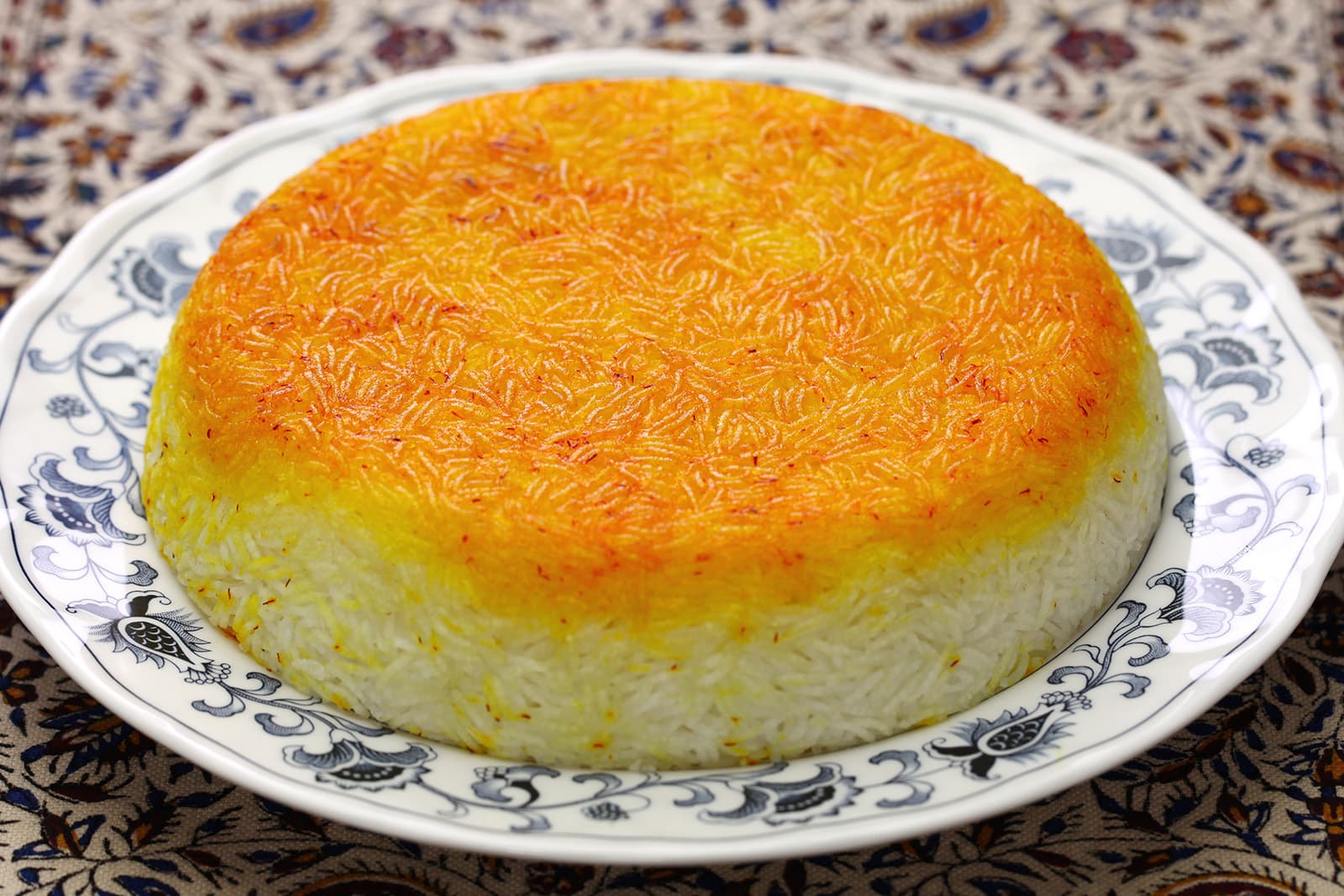
Warm crusty bread is the most traditional accompaniment for soaking up the sauce. Couscous works well. The Golden Citrus Tahdig is a showstopping pairing where the two dishes share the same blend but express it through entirely different techniques. A simple green salad with a light vinaigrette provides freshness. Keep the sides simple because the tagine is the event.
Pot Choice
A Dutch oven or heavy-bottomed pot with a tight-fitting lid is ideal. Cast iron or enameled cast iron retains heat well for even braising. If using a clay tagine, always use a heat diffuser and keep the heat very low. The clay distributes heat gently but cannot handle sudden temperature changes.
More recipes like this
New recipes and seasonal cooking ideas, once a week. Never more.
See everything that's in the newsletter